 is here! Shop now, pay later in 4 easy installments


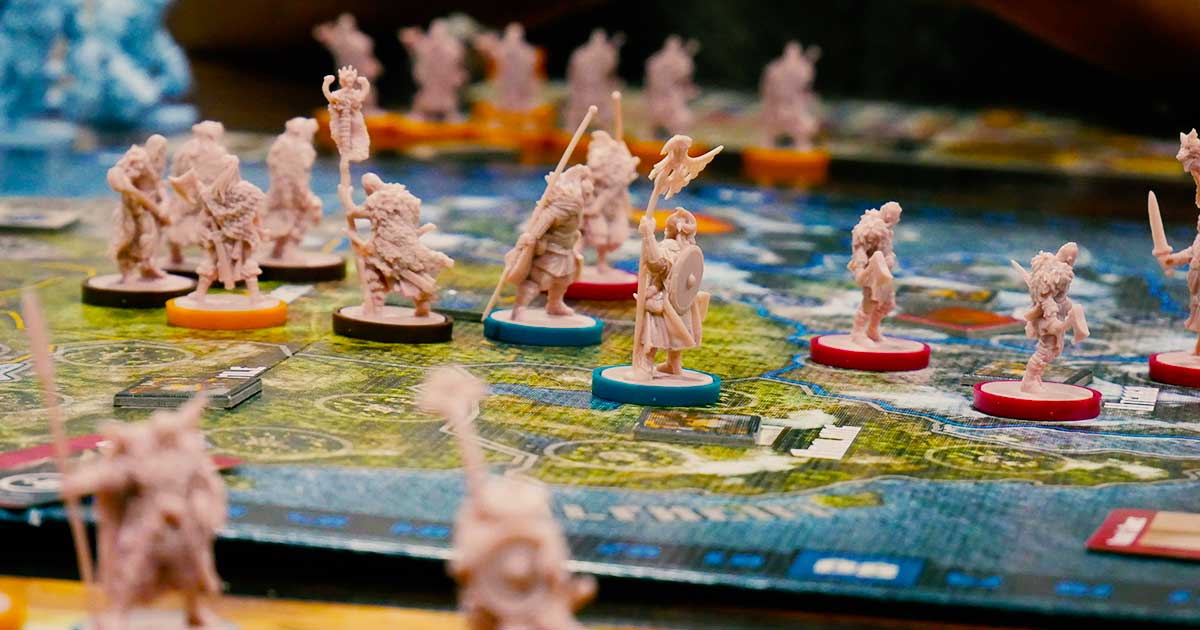
Local Game Store Tournament Preparation Checklist
The announcement goes up on the store's Facebook page - tournament next Saturday, prizes up for grabs, limited spots available. Your pulse quickens a bit. You've been practicing for weeks with your mates, fine-tuning your army list, and now it's time to put it all to the test at your local game store. But hold on - between now and rolling those first dice, there's a heap of prep work that separates the veterans from the rookies.
We've seen it countless times at Hearns Hobbies. Players rock up to tournaments missing essential gear, running illegal lists, or simply unprepared for the marathon that competitive tabletop gaming can be. The difference between a smooth tournament experience and a stressful disaster often comes down to preparation in the days leading up to the event.
Whether you're heading to your first local tournament or you're a seasoned competitor looking to tighten up your routine, having a solid prep checklist makes all the difference. We're talking about everything from the obvious stuff like bringing your miniatures to the often-forgotten essentials like spare batteries for your dice app. Trust us - nothing's worse than realising mid-game that you've forgotten something crucial.
After supporting the Australian gaming community for over 30 years, we've picked up a thing or two about tournament prep. This guide isn't just theory - it's based on real feedback from players who've learned these lessons the hard way. From managing Melbourne's notorious weather changes during outdoor events to dealing with the unique challenges of Australian tournament scenes, we'll cover everything you need to know.
Table of Contents
The Week Before Tournament Day
Seven days out from tournament day, and this is where the real prep begins. Sure, you might've been practicing for months, but the week leading up to the event is when you shift from casual gaming mode into competitive mindset. It's not just about knowing your rules anymore - it's about having everything dialed in so perfectly that nothing can throw you off your game come Saturday.
First things first - confirm your registration. Sounds obvious, right? But you'd be surprised how many players assume they're signed up when they've only expressed interest on social media. Most Australian game stores use online registration systems now, but some smaller venues still do it old school with a sign-up sheet at the counter. Either way, get confirmation. Screenshot that registration email, note down any player number you're given, and double-check the tournament format. Is it Swiss rounds? Single elimination? Best of three? These details matter heaps when you're planning your day.
Now's also the time to sort out the logistics that always seem to cause drama on tournament morning. Work out your transport - if you're catching public transport to the venue, check the timetables for weekend services (they're usually different from weekdays, especially in Melbourne). If you're driving, scope out parking options near the store. Some venues have decent parking, others... well, let's just say you might be walking a fair bit with your army transport bag. Factor in extra time for parking hassles, especially if the tournament's in a busy shopping district.
Start gathering your tournament documents too. Print out multiple copies of your army list - yeah, digital's fine, but when someone spills their energy drink on your phone (it happens more than you'd think), you'll be glad for the backup. If the tournament requires special mission cards or reference sheets, print those now while you've got time. Nothing worse than scrambling to find a printer at 7am on tournament day becaus you forgot.
![[SUGGESTED IMAGE: Tournament preparation materials laid out on a table - army lists, rulebooks, dice, and gaming accessories organized neatly]](https://images.unsplash.com/photo-1643992356285-6eb7c466f505?q=80&w=1131&auto=format&fit=crop&ixlib=rb-4.1.0&ixid=M3wxMjA3fDB8MHxwaG90by1wYWdlfHx8fGVufDB8fHx8fA%3D%3D)
List Building and Rules Verification
Alright, let's talk about the thing that causes more tournament drama than anything else - list building errors. We've all seen it: someone rocks up with what they think is a killer list, only to find out they've been playing with an illegal combo for months. The TO (Tournament Organiser) isn't gonna care that "your local group always plays it this way." Tournament rules are tournament rules, and getting them wrong can mean anything from point penalties to straight-up disqualification.
Start by downloading the latest FAQ and errata for your game system. And I mean the LATEST - game companies love dropping surprise updates right before major events, and what was legal last month might not fly anymore. Check the official sources, not just what someone posted in a Facebook group. For tabletop miniature games, this usually means hitting up the publisher's website or their official app. Save these documents to your phone AND print physical copies. You want to be able to reference them quickly if any rules disputes come up.
Build your list using whatever app or builder the tournament specifies. Most events in Australia now require lists to be submitted through specific platforms - BattleScribe, the official army builders, or similar. Don't just scribble it on a piece of paper unless that's explicitly allowed. Use the builder to double-check your math, verify unit compositions, and ensure all your upgrades are legal. Then have a mate check it. Seriously - fresh eyes catch mistakes you've been blind to after staring at the same list for weeks.
Here's something lots of players forget: check if your list is actually fun to play against. Yeah, you might have found some brutal combo that technically works within the rules, but if it's the kind of list that makes opponents groan when they see it, you're in for a long day. Australian tournament scenes are pretty tight-knit - word gets around fast if you're "that player" who brings the no-fun-allowed list. Balance competitiveness with sportsmanship. You want to win, sure, but you also want people to actually enjoy playing against you.
List Building Pro Tip
Always build two versions of your list - your ideal competitive list and a backup "take-all-comers" list. If you get to the venue and find out there's been a last-minute ruling change or your main strategy gets hard-countered by the mission pack, you'll have options. Keep both lists tournament-legal and ready to go.
Physical Preparation and Model Readiness
Time to give your army the once-over it deserves. This isn't just about making sure your models look good (though that helps with sportsmanship scores). It's about ensuring nothing's gonna fall apart mid-game or cause disputes about what model is what. Trust me, nothing kills your momentum faster than having to super-glue a model back together while your opponent waits and the clock keeps ticking.
Check every single model for damage. That means actually picking them up and giving them a gentle wiggle test. Weapons love snapping off at the worst possible moments, and bases can come loose after being handled repeatedly. If something's wobbly, fix it now with proper plastic cement or CA glue. Don't just blob on more glue and hope for the best - properly repair or pin the joint if needed. For metal models, this is especially important. Those old-school pewter heroes might have sentimental value, but they also weigh a ton and love taking headers off the table.
Now let's talk about the elephant in the room - painting requirements. Most Australian tournaments follow the "three-colour minimum" rule, but check your specific event's player pack. Some venues are more relaxed, others expect parade-ready armies. If you've got unpainted models, now's the time for emergency paint sessions. Even just getting base colours on with some quick spray primer and basic acrylics is better than rolling up with bare plastic. Plus, many tournaments award bonus points for painted armies, so even basic paintjobs can give you an edge in overall standings.
Here's something people always forget until it's too late - make sure all your models are clearly identifiable. If you're running multiple units of the same type, they need to be distinguishable from across the table. Different colored base rims, unique markings, numbered bases - whatever works. Your opponent shouldn't have to ask "wait, which squad is that?" every five minutes. Same goes for characters and unit champions. Make them stand out. A bit of extra paint detail or a fancy base can make all the difference in keeping track of who's who during complex game states.
![[SUGGESTED IMAGE: Well-painted miniature army arranged on display board, showing clear unit markings and consistent paint scheme]](https://images.unsplash.com/photo-1585504592885-2f18e58dc512?q=80&w=1170&auto=format&fit=crop&ixlib=rb-4.1.0&ixid=M3wxMjA3fDB8MHxwaG90by1wYWdlfHx8fGVufDB8fHx8fA%3D%3D)
Essential Gear Checklist
Right, let's get into the nitty-gritty of what you actually need to bring. And I mean NEED - not the seventeen different dice sets you've collected over the years or that lucky shirt you wore to your first tournament win. We're talking about the essentials that'll keep you gaming smoothly from round one through to the finals.
Obviously, dice top the list, but here's the thing - bring more than you think you need. Dice have this weird habit of disappearing during tournaments, rolling under tables, getting mixed up with opponents' dice, or just straight-up vanishing into whatever dimension lost dice go to. Pack at least two complete sets, preferably in different colours. And if your game uses special dice (command dice, hit location dice, whatever), bring spares of those too. Nothing's more embarrassing than having to borrow dice from your opponent because yours went walkabout.
Measuring tools are next, and don't just grab that battered old tape measure from your toolbox. Get proper gaming measuring tools - clear rulers, measuring widgets, range bands, whatever your game system uses. Bring backups here too. Tape measures break, rulers crack, and that fancy laser measure you bought might run out of battery. Pro tip: if you're using tape measures, get ones that lock properly. There's nothing worse than trying to measure a crucial charge distance while your tape measure keeps retracting.
Now for the often-forgotten essentials. Pen and paper - yeah, even if you're using a digital army list. You need to track victory points, make notes about ongoing effects, remember which objectives you've claimed. Bring multiple pens (they die at the worst times) and a small notepad. Some players prefer whiteboards and markers for tracking, which is fine, but have paper backup. Tokens and markers for tracking game effects are crucial too. Wound markers, status tokens, objective markers - whatever your game uses. Don't assume the venue will provide these.
Tournament Day Essential Gear
| Category | Items | Quantity |
|---|---|---|
| Gaming Essentials | Dice sets, Measuring tools, Tokens | 2+ of each |
| Documentation | Army lists, Rules references, Player pack | 3 copies |
| Repairs | Super glue, Blu-tack, Spare bases | Small kit |
| Personal | Water, Snacks, Phone charger | Full day supply |
Don't forget the emergency repair kit. A small tube of super glue, some blu-tack for temporarily fixing wobbly models, maybe a few spare bases - these can be absolute lifesavers. I've seen entire tournaments saved by someone having a bit of superglue handy when disaster strikes. Pack some paper towels too, for the inevitable drink spills or cleaning up after hasty repairs.
Game Day Strategy and Time Management
Tournament day's finally here, and how you manage your time can make or break your performance. It's not just about playing well - it's about maintaining that level across multiple games while dealing with fatigue, pressure, and the inevitable curveballs that tournament play throws at you. Veterans know that energy management is just as important as tactical skill when you're looking at 6-8 hours of intense gaming.
Arrive at least 30 minutes before registration closes. This isn't just about being punctual - it's about giving yourself time to settle in, scope out the venue, and get your head in the game. Find out where the bathrooms are, where you can grab water, and where the TO's table is. Chat with other players, get a feel for the competition, and most importantly, double-check your army against your list one final time. I've seen players realise they've forgotten entire units at home - better to know early than discover it when you're unpacking for round one.
Once pairings go up, you've got to switch into time management mode. Most tournament rounds run on strict time limits - usually 2 to 2.5 hours for standard games. That sounds like heaps, but it goes fast when you're making complex decisions. Know which phases of your game eat up the most time (usually movement and shooting in most systems) and plan accordingly. If you're naturally a slow player, you need to practice speeding up beforehand. Chess clocks are becoming more common in Australian tournaments, especially for finals, so being comfortable playing at pace is crucial.
Between rounds, resist the temptation to do detailed post-mortems of your games. Sure, quickly note down what worked and what didn't, but don't spend your entire break analysing every dice roll. Use that time to reset mentally, hydrate, grab a snack, and maybe do some quick stretches. Tournament fatigue is real - by round four, your brain's running on fumes if you haven't been pacing yourself. Some players bring energy drinks or coffee, which is fine, but don't overdo the caffeine. You want steady energy, not a massive spike followed by a crash during the finals.
Here's something most new tournament players don't think about: bring proper food. Not just a bag of chips and a chocolate bar - actual sustaining food. Many venues have limited food options, and you might not have time to duck out for lunch. Pack sandwiches, fruit, protein bars, whatever keeps you going. The last thing you want is your stomach growling so loud during a tense moment that it distracts both you and your opponent. Trust me, I've been there, and it's not fun trying to calculate combat math when all you can think about is food.
![[SUGGESTED IMAGE: Tournament in progress showing multiple gaming tables with players engaged in matches, clocks visible, organized setup]](https://www.hearnshobbies.com/cdn/shop/files/sundaypreview-jul6-thh_01-saturnine-8lrkvppvzk.jpg?v=1753412433&width=1000)
Transport and Storage Solutions
Let's talk about getting your army to the venue in one piece - because showing up with a box full of broken miniatures is a special kind of heartbreak. The Australian climate doesn't help either. Leave your models in a hot car for five minutes during summer, and you might come back to find weapons drooping like overcooked spaghetti. Proper transport solutions aren't just convenience - they're insurance for your investment.
Foam cases remain the gold standard for most gamers. They're not cheap, but neither was that army you spent months painting. Get cases specifically designed for miniatures - the foam's density and cell structure makes a huge difference. Generic foam from the craft store might seem like a bargain, but it'll compress over time and stop protecting your models properly. Custom-cut foam for your specific army is ideal, though the pluck-foam varieties work well enough if you're careful. Just remember that once you've plucked, you can't un-pluck, so measure twice, pluck once.
Magnetised storage is becoming increasingly popular, especially for armies with lots of fiddly bits that love snapping off. Grab some rare earth magnets, stick them under your model bases, and use metal toolboxes or purpose-built magnetic cases. The models stay put during transport but are easy to remove without the wrestlnig match you sometimes get with foam. Plus, you can see your entire army at a glance, which helps with deployment and making sure you haven't left anyone behind.
Whatever storage solution you choose, think about the tournament environment. You'll be moving your army from table to table between rounds, often through crowds of other players. A massive case that needs two hands to carry becomes a liability when you're trying to navigate through a packed game store. Some players use a two-tier system - a large case that stays at their "base camp" (usually under a table or in a designated storage area) and a smaller tray or case for the models they're actually using that round.
Transport Day Protocol
Label everything with your name and contact details. Models, cases, rule books - everything. Tournaments are chaos, and stuff gets mixed up constantly. A simple label maker or even masking tape with permanent marker can save you from losing hundreds of dollars worth of models. Include your mobile number - most honest gamers will call if they accidentally pack your stuff.
Mental Preparation and Sportsmanship
Here's the part nobody really talks about much, but it's just as important as having your army painted or knowing your rules inside out. Tournament play tests your mental game hard. You're gonna face opponents who play differently than your regular group, encounter rules interpretations you disagree with, and probably have at least one game where the dice absolutely betray you. How you handle these situations determines whether you have a great day regardless of results, or whether you go home frustrated and swearing off competitive play forever.
Start with realistic expectations. Unless you're genuinely one of the top players in your area, you're probably not winning the whole thing on your first few attempts. That's totally fine! Set achievable goals - maybe it's winning more games than you lose, maybe it's just playing all your games to completion without timing out, or maybe it's making a new gaming buddy. The players who enjoy tournaments long-term are the ones who find value beyond just winning.
Sportsmanship isn't just about being nice (though that's important too). It's about creating an environment where both players can enjoy the game despite the competitive pressure. That means clearly communicating your intentions, letting opponents take back obvious mistakes (within reason), and keeping teh atmosphere positive even when things aren't going your way. The Australian tournament scene is pretty small - you'll likely face the same players repeatedly over the years. Building a reputation as someone who's fun to play against, win or lose, makes every future event more enjoyable.
Learn to handle disputes calmly. Rules arguments happen, even with the best intentions from both players. When they do, don't get heated. State your interpretation clearly, reference the relevant rules or FAQ, and if you can't agree quickly, call a judge or TO. That's literally what they're there for. Don't spend 20 minutes arguing over something that a neutral third party can resolve in two. And when the ruling comes down, accept it gracefully, even if you disagree. You can discuss it after the game or tournament, but during the event, the TO's word is final.
Mental fatigue is real and it'll affect your play if you're not prepared for it. Your brain uses a surprising amount of energy making all those tactical decisions, and by game four or five, you might find yourself making silly mistakes you'd never make in casual play. Build in mental breaks between rounds - step outside for fresh air, do some stretches, or just zone out for a few minutes. Some players meditate, others listen to music. Find what works for you. The goal is to approach each game fresh, not carrying the baggage (good or bad) from previous rounds.
Do's
- • Introduce yourself warmly
- • Explain your army clearly
- • Announce dice rolls
- • Ask before touching models
- • Thank opponents after games
Don'ts
- • Rush opponents' turns
- • Argue every ruling
- • Gloat when winning
- • Sulk when losing
- • Blame dice for everything
Post-Tournament Best Practices
So the dust has settled, final standings are posted, and prizes have been handed out. Whether you crushed it or got crushed, what you do after the tournament can be just as valuable as the event itself. This is where you transform a day of gaming into actual improvement for next time, and more importantly, where you cement those social connections that make the hobby scene so rewarding.
First up - pack carefully. Tournament fatigue makes people sloppy, and this is when models get left behind or packed wrong and damaged. Do a thorough sweep of your gaming area, check under tables, and make sure you've got everything. Count your units if you need to. That limited edition character model won't seem so special if you realise three days later that you left it on a terrain piece. Same goes for dice, templates, and especially rulebooks - these have a habit of walking off when mixed up with other players' gear.
While everything's still fresh in your mind, jot down some notes about each game. What worked? What didn't? Were there rules you need to look up? Units that underperformed? Don't just focus on the negative stuff either - note your successes and why they worked. Maybe that weird unit combo you tried actually paid off, or perhaps your deployment strategy in round three was spot-on. These notes become gold when you're prepping for your next event. You'd be amazed how quickly you forget the specific lessons from each game if you don't write them down.
Connect with the players you enjoyed gaming against. The Australian tabletop scene thrives on these connections. Grab their contact details, add them on social media, whatever works. That opponent who gave you a really challenging game might become a regular practice partner. The person who helped clarify those tricky rules might be someone you can message when you're list-building. Building these networks makes every subsequent tournament more fun - instead of rooms full of strangers, you're catching up with mates between rounds.
Give feedback to the TO, but do it constructively. Running tournaments is thankless work (usually unpaid too), and good TOs want to improve their events. If something didn't work, explain why and maybe suggest alternatives. If something was particularly good, definitely mention that too. Maybe the terrain setup was perfect, the round times worked well, or the mission selection was balanced. Positive feedback encourages TOs to keep running events, and trust me, you want to keep the good TOs happy and running tournaments.
Finally, take care of your models when you get home. Don't just chuck the case in a corner until next time. Unpack everything, check for damage that might have occurred during transport, and fix anything that needs attention. Clean off any rubber marking from movement trays, wipe down any models that got handled a lot, and maybe touch up any chips in the paint. Your future self will thank you when you're not doing emergency repairs the night before your next tournament. Plus, it's actually kind of therapeutic after an intense day of competition.
Frequently Asked Questions
What if I've never been to a tournament before and don't know anyone?
Every veteran tournament player was new once, and most gaming communities are incredibly welcoming to newcomers. Arrive early and let the TO know it's your first event - they'll often pair you with friendly, experienced players for your first round who can help you get comfortable with tournament procedures. Join the venue's social media groups beforehand to introduce yourself. Most Australian gaming stores have Facebook groups or Discord servers where you can connect with other players before the event. Don't be shy about asking questions - whether it's about rules, where to get lunch, or how the scoring system works. The tabletop gaming community generally loves helping new players get into competitive play.
How strict are painting requirements at local tournaments?
This varies wildly between venues and TOs, but most local Australian tournaments follow a "three-colour minimum" standard - meaning each model needs at least three different colours applied. Some venues are more relaxed for casual events, while premier tournaments might require fully painted and based armies. Always check the player pack or ask the TO directly if you're unsure. If you're struggling to meet painting requirements, basic techniques like coloured primer spray, wash, and drybrush can get an army to tabletop standard quickly. Remember, even basic painting shows respect for your opponents and the event. Many TOs are understanding if you're clearly working toward a painted army - just communicate with them beforehand.
What happens if I make a rules mistake during a tournament game?
Mistakes happen, even to experienced players. The key is how you handle them. If you catch the error yourself, immediately tell your opponent and offer to fix it if possible. If it's too late to reverse (like if you've already rolled dice based on the mistake), most reasonable opponents will understand if it was genuine. For significant errors, call the TO over to adjudicate. They might allow a rollback, apply the correct rule going forward, or make another fair ruling. Never try to hide mistakes - getting caught deliberately cheating will get you ejected from the event and blacklisted from future tournaments. The Australian tournament scene is small enough that reputation matters. Being known as honest and forthright, even when it disadvantages you, earns massive respect.
Should I bring a display board for my army?
Display boards aren't usually required for local tournaments, but they can earn you extra presentation points and make army transport between rounds much easier. A simple tray with some basic scenic elements can really make your force stand out. Plus, it's way easier to carry one board than to make multiple trips moving individual units. If you're going to multiple tournaments, the investment in a display board pays off quickly. Keep it practical though - elaborate dioramas look amazing but can be a pain when table space is limited. Something that fits comfortably on a standard tournament table's deployment zone is ideal.
How do I deal with 'power gamers' or ultra-competitive opponents?
First, remember that playing competitively isn't wrong - tournaments are competitive events after all. However, there's a difference between playing to win and being unpleasant about it. If an opponent is rules-lawyering excessively, slow-playing deliberately, or being generally unsportsmanlike, don't get drawn into arguments. Stay calm, play your best game, and if behaviour crosses a line, quietly speak to the TO after the round. Most tournaments have sportsmanship scores that penalise poor behaviour. Focus on your own game and enjoyment. Sometimes the best revenge against an unpleasant opponent is maintaining your composure and potentially beating them anyway. Remember, you'll likely score them on sportsmanship after the game, and these scores often factor into overall tournament standings.
Final Thoughts
Tournament play adds a whole new dimension to your hobby experience. Yeah, it can be intimidating at first - the pressure, the time constraints, the fear of making mistakes in front of strangers. But push through those initial nerves, and you'll find a vibrant community of passionate gamers who share your love for competitive tabletop gaming. Every tournament veteran has stories of their first event, usually involving forgotten models, rules mistakes, and probably getting thoroughly beaten. They kept coming back because tournaments offer something casual gaming can't - that electric atmosphere of competition, the satisfaction of improvement, and the bonds formed through shared experiences.
At Hearns Hobbies, we've watched countless players evolve from nervous first-timers to confident competitors. We stock everything you need to compete at your best, from tournament-ready miniatures to all the gaming accessories that keep you playing smoothly. Whether you're building your first competitive list or fine-tuning for nationals, we're here to support your competitive journey.