 is here! Shop now, pay later in 4 easy installments


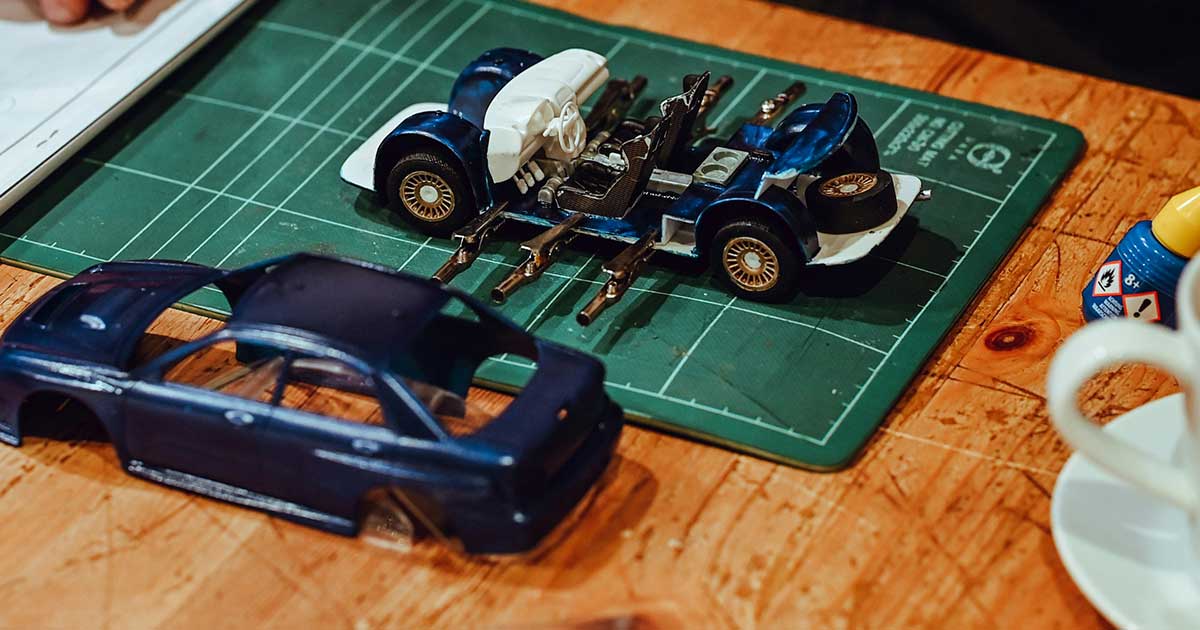
Removing Old Decals from Vintage Model Kits Safely
We've all been there - staring at that beautiful vintage kit you scored at a swap meet, only to realize the decals look like they've been through a war. Yellowed, cracked, or stubbornly refusing to budge, old decals can turn a promising restoration project into a real headache. But here's the thing: with the right approach and a bit of patience, you can safely remove those ancient markings without damaging the precious plastic underneath.
Working with vintage model kits requires a different mindset than building new ones. These old warriors have stories to tell, and sometimes those stories include decals that have practically fossilized onto the surface. Whether you're dealing with a classic Tamiya tank from the 1970s or an Airfix aircraft that's been sitting in someone's attic for decades, the techniques we'll cover today will help you restore these classics to their former glory.
At Hearns Hobbies, we see collectors bringing in vintage finds all the time, asking how to tackle decal removal without wrecking their investment. The good news? It's totally doable. The methods have evolved over the years, and what used to be a risky proposition can now be handled with confidence. We're talking about preserving that original moulding while giving your model a fresh start for new decals or a complete refinish.
Now, before we dive in, let's be clear about something - not every old decal needs removing. Sometimes that patina adds character, especially if you're going for that weathered, historical look. But when decals are peeling, yellowed beyond recognition, or just plain wrong for your restoration vision, it's time to break out the removal techniques. And trust me, after years of trial and error (and yes, a few casualties along the way), the methods we're about to explore are the safest bets for your precious vintage plastic.
Table of Contents
Assessing Decal Condition and Removal Necessity
Before you reach for any removal tools, take a proper look at what you're dealing with. Old decals tell you a lot about how they'll respond to removal attempts. Some practically fall off with a gentle nudge, while others seem molecularly bonded to the plastic. Understanding these differences saves you heaps of time and prevents damage to irreplaceable vintage model kits.
Start with the fingernail test - gently try to lift a corner of the decal. If it starts peeling easily, you're in luck. These are what I call "cooperative" decals, usually found on models stored in dry conditions. They've maintained some flexibility and haven't fully bonded with the plastic. For these, you might not need anything more aggressive than warm water and patience. But if that decal feels like it's part of the plastic itself, well, that's when things get interesting.
Yellowed decals present their own challenges. That yellowing isn't just surface discoloration - it's a chemical breakdown of the decal material itself. These often leave behind a ghost image even after removal, especially on white or light-colored plastic. Check if the yellowing has stained the plastic underneath by lifting a tiny corner. If the plastic looks pristine beneath, you're good to go. If it's stained, you'll need to factor in some restoration work after removal.
Consider the value and rarity of your kit too. That limited edition Tamiya aircraft from 1975 deserves more careful treatment than a common kit you can still find in shops. Sometimes, especially with super rare kits, leaving original decals intact actually preserves value - even if they're not perfect. Collectors often prefer original condition over restored, so think carefully before you commit to removal.
![[SUGGESTED IMAGE: Close-up comparison of different vintage decal conditions - yellowed, cracked, and peeling examples on model surfaces]](https://images.unsplash.com/photo-1686678403627-3ef2a3457726?q=80&w=1331&auto=format&fit=crop&ixlib=rb-4.1.0&ixid=M3wxMjA3fDB8MHxwaG90by1wYWdlfHx8fGVufDB8fHx8fA%3D%3D)
Essential Tools and Materials
Right, let's talk tools. You don't need a massive arsenal, but having the right gear makes all the difference between success and accidentally melting your vintage treasure. Most of these items are probably already in your modelling toolkit, though you might want to grab a few specialized items for tougher jobs.
Your basic removal kit should include cotton swabs (loads of them - you'll go through more than you think), soft cloths, and various grades of sanding materials. For precision work, grab some toothpicks or cocktail sticks - they're perfect for getting under decal edges without gouging plastic. A good pair of tweezers is essential, but make sure they're not too sharp or you'll scratch the surface.
On the chemical side, you'll want several options depending on decal stubbornness. Warm water with a drop of dish soap works for newer decals. White vinegar is surprisingly effective on many vintage decals and won't harm most plastics. For the really tough cases, you might need specialized thinners or even careful application of acetone-free nail polish remover. Always test chemicals on hidden areas first - vintage plastics can react unpredictably.
Heat tools deserve special mention. A hair dryer on low setting works wonders for loosening adhesive. Some modelers swear by heat guns, but honestly, they're risky on vintage plastic. One second too long and you've got a warped mess. If you do use heat, keep it moving constantly and work in short bursts. I've seen too many beautiful vintage aircraft models turned into modern art sculptures by overeager heat application.
Safety First
Always work in a well-ventilated area when using solvents. Vintage plastics can release unexpected fumes when heated or exposed to chemicals. Keep a bowl of clean water nearby for emergency cooling if plastic starts to soften. And please, wear eye protection - old decals can flake off unexpectedly and those tiny pieces somehow always aim for your eyes.
The Heat Method for Stubborn Decals
Heat application remains one of the most effective methods for removing stubborn vintage decals, but it's also where most restoration attempts go wrong. The key is understanding that we're not trying to melt anything - we're just softening the adhesive enough to release its grip. Think of it like warming up old blu-tack; you want it pliable, not liquid.
Start with your hair dryer on the lowest heat setting, holding it about 15-20 centimeters from the model surface. Keep it moving in small circles - never let it sit in one spot. After about 30 seconds of warming, test a decal edge with your fingernail or a soft tool. If it's starting to lift, great! If not, give it another 20-30 seconds. Patience really pays off here; rushing with higher heat is how vintage car models end up with warped body panels.
Once you've got an edge lifting, work slowly and keep applying gentle heat as you go. Pull at a low angle - almost parallel to the surface - rather than straight up. This reduces the chance of tearing and leaves less adhesive residue. Some modelers use dental floss to slide under warmed decals, which works brilliantly for large, flat decals on aircraft fuselages or car bonnets.
The type of plastic matters enormously with heat application. Older styrene plastics from the 60s and 70s can be surprisingly heat-sensitive, while modern plastics tolerate higher temperatures. If you're unsure, test on a hidden area first - inside a wheel well or under the fuselage. And here's a pro tip: if the plastic starts to shine or look glossy where you're heating, stop immediately. That's the first sign of heat damage, and it happens fast on vintage kits.
![[SUGGESTED IMAGE: Demonstration of proper hair dryer technique on a model, showing correct distance and angle]](https://images.unsplash.com/photo-1713098526582-f173ea8e6e5f?q=80&w=1331&auto=format&fit=crop&ixlib=rb-4.1.0&ixid=M3wxMjA3fDB8MHxwaG90by1wYWdlfHx8fGVufDB8fHx8fA%3D%3D)
Solvent-Based Removal Techniques
When heat alone won't do the job, solvents become your next line of attack. But this is where things get a bit tricky with vintage plastics. What works perfectly on modern Bandai kits might literally melt a 1960s model. The chemical composition of plastics has changed over the decades, and older formulations can react unpredictably to modern solvents.
Let's start with the gentlest option: warm soapy water. Sounds too simple? You'd be surprised how effective it is on water-slide decals that haven't completely bonded. Soak a cloth in warm (not hot) water with a drop of dish soap, lay it over the decal for 10-15 minutes, then gently work at the edges. This method takes time but it's virtually risk-free. I've rescued plenty of vintage Italeri aircraft using nothing more aggressive than this.
White vinegar is my secret weapon for moderately stubborn decals. The mild acidity breaks down old adhesive without attacking most plastics. Apply it with a cotton swab, let it sit for a few minutes, then gently scrape with a soft tool. The smell isn't great, but it dissipates quickly and won't leave any residue. Plus, it's safe enough that you won't panic if you accidentally get some on painted areas.
For the really tough cases, you might need to bring out stronger solvents. Isopropyl alcohol (70% concentration) works well on many adhesives. Enamel thinners can be effective but require extreme caution - they'll strip paint and can cloud clear plastic. Never use acetone on vintage kits unless you're absolutely certain about the plastic type. I learned this the hard way with a classic Revell kit that turned into abstract art after an acetone mishap.
Solvent Compatibility Guide
| Solvent Type | Safety Level | Best For |
|---|---|---|
| Warm Soapy Water | Very Safe | Recent water-slide decals |
| White Vinegar | Safe | Most vintage decals |
| Isopropyl Alcohol (70%) | Moderate | Stubborn adhesive |
| Enamel Thinner | Use Caution | Last resort only |
Mechanical Removal Methods
Sometimes you've got to get physical with stubborn decals, but mechanical removal on vintage kits requires a gentle touch. We're not trying to chisel off concrete here - think more like an archaeologist carefully excavating artifacts. The wrong tool or technique can gouge irreplaceable plastic or remove surface detail that's impossible to recreate.
Your best friend for mechanical removal is a fresh hobby knife blade - emphasis on fresh. Dull blades require more pressure and are more likely to slip. Hold the blade almost flat against the surface, using it more like a scraper than a cutter. Work from multiple angles, gradually loosening the decal rather than trying to pry it off in one go. This technique works particularly well on old tank models where decals often sit on flat surfaces.
For curved surfaces, like aircraft fuselages or car bodies, flexible scrapers work better than rigid blades. Old credit cards cut into custom shapes are perfect for this. You can match the curve of the surface and apply even pressure without risk of gouging. Some modelers use guitar picks - they're flexible, come in different thicknesses, and the rounded edges reduce scratch risk. Just don't borrow teh good ones from a musician friend!
Sanding should be your absolute last resort for decal removal, but sometimes it's necessary for decals that have essentially become part of the plastic. Start with wet sanding using ultra-fine grit - we're talking 2000 grit or higher. Use plenty of water and almost no pressure. The goal is to gradually wear down the decal without touching the plastic underneath. Check your progress constantly. Once you start hitting plastic, you'll need to refinish the entire area, which opens up a whole other can of worms with color matching on vintage plastic kits.
Panel Line Warning
Be extra careful around raised or recessed panel lines. These details are often shallow on vintage kits, and aggressive mechanical removal can obliterate them. If decals cross panel lines, score along the line with a sharp blade before removal to prevent tearing across the detail. Better to remove decals in sections than lose irreplaceable surface features.
Protecting Vintage Plastic During Removal
Vintage plastic has personality - and not always the good kind. Depending on age, storage conditions, and original manufacturing quality, that plastic might be brittle, soft, or somewhere in between. Understanding how to protect it during decal removal can mean the difference between a successful restoration and a box of broken dreams.
First up, temperature matters more than you might think. Cold plastic is brittle plastic. If your kit's been stored in a cold garage or you're working in winter, let it warm to room temperature before starting any removal work. I once watched a mate snap the wing off a pristine 1960s Airfix Spitfire because he started working on it straight from cold storage. The plastic just couldn't handle the stress.
Masking is your insurance policy against accidents. Before using any solvents or heat, mask off surrounding areas with low-tack tape. Not regular masking tape - that can pull up old paint or even chunks of brittle plastic. Use proper modelling tape or, in a pinch, Post-it notes work surprisingly well. This is especially important near clear parts like canopies or windows, which can fog or craze from solvent vapors.
Support is crucial when working on delicate assemblies. If you're removing decals from a built model, support the area you're working on from behind. Pressing down on an unsupported wing or fuselage can cause stress cracks, especially in old glue joints. Use foam blocks or rolled-up cloths to provide backing. For really delicate work, consider partially disassembling the model if possible - though be prepared for old glue joints that might not want to separate cleanly.
![[SUGGESTED IMAGE: Examples of proper masking and support techniques on a vintage model during decal removal]](https://images.unsplash.com/photo-1741543596535-df83cf69bac3?q=80&w=1170&auto=format&fit=crop&ixlib=rb-4.1.0&ixid=M3wxMjA3fDB8MHxwaG90by1wYWdlfHx8fGVufDB8fHx8fA%3D%3D)
Post-Removal Surface Preparation
So you've successfully removed those old decals - congratulations! But don't celebrate just yet. What's left behind often needs as much attention as the removal process itself. Adhesive residue, ghosting, and surface irregularities all need addressing before you can apply new decals or proceed with your restoration.
Adhesive residue is usually the first challenge. Even after successful decal removal, you'll often find a sticky film or patches of old adhesive. For this, nothing beats good old eucalyptus oil - it's gentle on plastic and cuts through adhesive like magic. Apply it with a soft cloth, let it sit for a minute, then wipe clean. Follow up with a mild soap wash to remove any oily residue. Some modelers prefer commercial adhesive removers, but test them first - some are too aggressive for vintage plastics.
Ghosting - those pale outlines where decals used to be - is trickier to deal with. On unpainted plastic, you might need to polish the entire surface to even out the appearance. Start with polishing compounds designed for plastic models. Work in circular motions with a soft cloth, gradually building up the shine. For painted surfaces, you might need to sand lightly with ultra-fine wet sandpaper, then polish. Sometimes, the only real solution is a complete repaint, especially if you're going for concours-level restoration.
Surface preparation for new decals is crucial. Any imperfections will show through water-slide decals like a sore thumb. After cleaning off all residue, give the surface a final wipe with isopropyl alcohol to remove any oils from handling. If you're planning to paint before applying new decals, now's the time to address any surface damage from the removal process. Small scratches can be filled with putty and sanded smooth. Just remember that vintage plastic might react differently to modern fillers, so test first.
Residue Removal Checklist
- • Remove adhesive with eucalyptus oil
- • Wash with mild soap solution
- • Polish out ghosting marks
- • Final clean with alcohol
- • Check surface smoothness
Surface Prep Steps
- • Fill any scratches or gouges
- • Sand repairs smooth
- • Prime if painting
- • Apply gloss coat for decals
- • Let cure completely
Special Cases and Problem Scenarios
Not all decal removal jobs are straightforward. Over the years, I've encountered some real head-scratchers that required creative solutions. Let's talk about these special cases, because chances are you'll run into at least one of them during your restoration adventures.
Chrome-plated plastic presents unique challenges. You know those beautiful chrome parts on vintage car models? The ones that look amazing but are terrifyingly delicate? Decals on chrome require extreme care because most removal methods will damage the plating. Heat is usually your safest bet, but keep it minimal. Chemical solvents are mostly off-limits - even mild ones can cloud or strip chrome. Sometimes the best approach is to carefully cut around the decal with a sharp blade and peel it off in sections, accepting that you might need to touch up the chrome with chrome paint afterward.
Clear parts are another nightmare scenario. Old canopy decals or instrument panel markings that have yellowed or cracked need incredibly gentle treatment. Never use heat on clear parts - they'll fog or distort faster than you can say "oops." Stick to room-temperature water soaks and patience. Lots of patience. For stubborn adhesive on clear parts, try a tiny amount of cooking oil on a cotton swab. It sounds weird, but it works and won't cloud the plastic. Just clean thoroughly afterward with mild soap.
Multi-layer decals, where someone's applied new decals over old ones, require a strategic approach. You might find this on models that have been "updated" over the years. Start by identifying which layer you want to keep, if any. Sometimes it's worth preserving a lower layer if it's historically significant or in better condition. Use thin blades to separate layers carefully. Heat can help here, but be prepared for different adhesives that respond differently to temperature.
And then there's the worst-case scenario: decals that have chemically bonded with the plastic. This happens with certain combinations of old adhesives and plastic types, particularly on kits from the 1960s. The decal essentially becomes part of the surface layer. Your options are limited here - either accept them as part of the model's history, sand them off and refinish (accepting you'll lose surface detail), or consider the nuclear option of stripping and repainting the entire model. Sometimes, honestly, it's better to source a replacement part from a donor kit rather than trying to salvage the original.
Pro Tip for Rare Kits
For extremely rare or valuable vintage kits, consider practicing your removal technique on a similar but less valuable model first. Pick up a cheap damaged kit of similar age at a swap meet and use it as your test subject. Better to learn what not to do on a $5 junker than a $500 collector's piece. This is especially important when dealing with unusual plastics or decal types you haven't encountered before.
Frequently Asked Questions
Can I use acetone or nail polish remover on vintage model kits?
Generally, no - acetone is far too aggressive for most vintage plastics and will cause melting, crazing, or severe damage. Even "acetone-free" nail polish removers can be risky. Vintage plastics from the 1960s-1980s often have different chemical compositions than modern kits and react unpredictably to strong solvents. If you absolutely must try it, test on a completely hidden area first (inside the fuselage, under the chassis), but honestly, there are safer methods that work just as well. Stick to gentler options like vinegar, warm water, or specialized hobby thinners designed for plastic models.
How do I know if my vintage kit's plastic is too brittle for decal removal?
Perform a flexibility test in a non-visible area. Gently press on a thick section of plastic with your finger - if it flexes slightly and returns to shape, you're good to go. If you hear cracking sounds, see stress marks appearing as white lines, or if the plastic feels unusually hard and rigid, proceed with extreme caution. Brittle plastic often results from age, UV exposure, or poor storage conditions. For these kits, avoid mechanical removal methods entirely and stick to the gentlest chemical methods. Sometimes it's worth stabilizing brittle plastic with a coat of primer on the inside before attempting any external work.
What's the best way to remove decals from painted vintage models without damaging the paint?
This requires the gentlest approach possible. Start with warm (not hot) distilled water soaks using a damp cloth laid over the decal for 15-20 minutes. The original paint on vintage kits might be enamel or lacquer, both of which can be sensitive to solvents. Never use thinners or alcohol-based products on painted surfaces unless you're planning to repaint anyway. If water doesn't work, try a small amount of white vinegar on a cotton swab, working in tiny sections. The key is patience - multiple gentle attempts are better than one aggressive one. Consider using decal softening solutions in reverse - they can sometimes reactivate old adhesive enough to allow removal.
Should I remove original decals from a valuable vintage kit or leave them for authenticity?
This depends entirely on your end goal and the kit's condition. For museum-quality preservation or maximum resale value, original decals - even damaged ones - often add to authenticity and value. Collectors generally prefer original condition over restored. However, if you're building for display or the decals are beyond saving (completely yellowed, crumbling, or obscuring detail), removal makes sense. Document everything with photos before starting, keep removed decals if they're historically significant, and consider making a note about the restoration for future owners. For truly rare kits like limited edition Tamiya or Italeri releases, consult with other collectors or forums before making irreversible changes.
How long should I wait after decal removal before applying new decals or paint?
Give the plastic time to fully dry and off-gas from any solvents used - typically 24-48 hours minimum. If you've used any oil-based products for adhesive removal, wait at least 72 hours and ensure all residue is completely cleaned off. The surface must be absolutely clean and dry for new water-slide decals to adhere properly. Before applying new decals, wipe the area with isopropyl alcohol and let it evaporate completely (about 30 minutes). If you're painting first, follow standard prep procedures but be extra careful with primer adhesion - test in a hidden area first as some vintage plastics don't play well with modern primers.
Final Thoughts
Removing decals from vintage model kits is equal parts art and science. Every kit presents its own challenges, and what works perfectly on one might spell disaster for another. But that's honestly part of the appeal - each restoration is a unique puzzle that tests your skills and patience.
The techniques we've covered today come from years of collective experience in the modelling community, including plenty of lessons learned the hard way. Whether you're rescuing a barn-find military model or refreshing a childhood build, the key is always patience and respect for the vintage plastic you're working with. These old kits have survived decades; they deserve careful treatment.
The vintage modelling community is incredibly helpful - don't hesitate to ask for advice on specific kits or unusual situations. And hey, once you've successfully restored that vintage gem, share your results! We love seeing these old kits brought back to life, whether they're wearing original markings or sporting fresh new decals.