 is here! Shop now, pay later in 4 easy installments


Why Your Hobby Tools Hate You And How To Win Them Back
Look, we need to have an honest chat about that crusty paintbrush you've been abusing for the past three years. You know the one - stiff as a board, splayed like it's been electrocuted, yet somehow still your go-to brush because "it still kinda works."
After three decades of watching hobbyists destroy perfectly good tools through creative neglect, we've seen it all. The airbrush that hasn't been cleaned since 2019. The hobby knife being used as a screwdriver, paint stirrer, and occasional toothpick. The precision tweezers that've been bent into shapes that defy physics. It's time someone said what your tools are thinking.
The thing is, proper tool maintenance isn't just about making things last longer (though your wallet will thank you). It's about the difference between fighting your equipment and actually enjoying your hobby. Ever wondered why that mate at the club gets such clean paint lines while yours look like they were done during an earthquake? Spoiler: it's not talent - their brush actually has bristles that point in the same direction.
We're gonna walk through the crimes against tools we see daily, why your equipment is secretly sabotaging your projects, and most importantly, how to restore peace between you and your hobby arsenal. And yeah, we'll tell you which tools are worth saving and which ones need a proper burial in the bin.
Table of Contents
The Paintbrush Massacre Prevention Guide
Let's start with the most abused tool in any hobbyist's arsenal - the humble paintbrush. Right now, somewhere in Australia, a hobbyist is leaving a loaded brush sitting in a jar of thinner "just for a minute" while they grab a coffee. Three hours later, that brush has developed a permanent right angle that'd make a geometry teacher weep.
The biggest crime? Letting acrylic paint dry in the ferrule - that metal bit where bristles meet handle. Once paint hardens there, your brush starts splaying like it's doing the splits. You keep using it anyway, pressing harder to compensate, which just makes things worse. Before long, you're basically painting with a tiny broom that costs twenty bucks to replace.
Here's what actually happens inside a neglected brush: dried paint acts like cement between the bristles, forcing them apart permanently. The natural capillary action that draws paint to the tip? Gone. Instead, paint pools randomly, giving you those lovely blob-streak-nothing patterns that definitely weren't in the plan. And that's before we talk about what enamel or lacquer residue does to natural bristles - let's just say it ain't pretty.
The fix is stupidly simple but requires actual discipline. Rinse brushes every ten minutes during painting sessions - not at the end, not when you remember, every ten bloody minutes. Use proper brush cleaner, not just water or whatever solvent's handy. And here's the bit nobody does: reshape the tip while damp and store horizontally or hanging. That vertical cup full of brushes pointing up? You're crushing the tips under their own weight.
![[SUGGESTED IMAGE: A comparison showing destroyed paintbrushes next to properly maintained ones, displaying the difference in bristle condition]](https://www.hearnshobbies.com/cdn/shop/products/IMG_9393_456x_04712c35-d1dd-43e6-a4b3-aeb6190d7732.jpg?v=1740644325&width=1200)
Brush First Aid Kit
Keep these handy for emergency brush rescue: dedicated brush cleaner, paper towels (not tissues - they leave fibres), a shallow dish for rinsing, and brush soap for deep cleaning. If you're using oils or enamels, add odorless mineral spirits. That old jam jar full of murky turps isn't cleaning anything - it's just spreading yesterday's colours into today's work.
Airbrush Abuse and Resurrection Rituals
Your airbrush cost more than a decent night out, yet you treat it worse than a disposable pen. That mysterious spitting, sputtering, and general refusal to spray properly? That's not the airbrush being temperamental - it's crying for help through a throat clogged with ancient paint deposits.
The cardinal sin of airbrushing happens at the end of every session. You shoot some cleaner through, see clear liquid coming out, and call it done. Meanwhile, paint residue is having a party in the nozzle, needle channel, and air passages. Come back next week and wonder why your expensive precision instrument sprays like a garden hose with a thumb over it.
We've seen airbrushes come in for "repair" that just needed a proper clean. One bloke brought in an Iwata he thought was broken - turned out the needle was essentially glued in place by six months of metallic paint buildup. Took an hour of soaking and careful work to free it. The look on his face when it worked perfectly afterward was priceless, followed immediately by shame when he realized he'd nearly binned a $300 tool.
Proper airbrush maintenance isn't rocket science, but it does require taking the thing apart occasionally. Yeah, we know, you're scared you won't get it back together. But here's the secret - they're designed to come apart. Every session needs a basic flush, every few sessions need a partial strip-down, and monthly you should do the full monty. Use proper airbrush cleaner, not just thinners, and for the love of all that's holy, use the right tools - not whatever screwdriver's closest.
The Airbrush Crime Scene Checklist
| Symptom | Your Crime | The Fix |
|---|---|---|
| Spitting/sputtering | Dried paint in nozzle | Full nozzle strip and soak |
| Won't spray at all | Blocked needle channel | Remove needle, clean channel |
| Uneven spray pattern | Bent needle tip | Replace needle (sorry) |
| Air but no paint | Paint dried in cup feed | Soak and pipe-clean feed tube |
Cutting Tool Crimes Against Sharpness
That hobby knife you're using? The one that requires the pressure of a hydraulic press to cut through paper? It's not supposed to be like that. Sharp tools are actually safer than dull ones - they go where you want them to instead of slipping sideways into your thumb when you're forcing them through plastic.
The worst offender we see is the "universal knife" - that poor blade that gets used for everything from cutting decals to opening paint tins, scraping mold lines, and occasionally spreading peanut butter (we've seen it all). Each misuse chips away microscopic bits of the edge until you're basically trying to cut with a butter knife that happens to be pointy.
Then there's the storage disaster. Throwing loose blades in a drawer where they bang against files, tweezers, and other metal tools is basically running your knife edge through a garbage disposal in slow motion. And don't get us started on using the cutting mat as a permanent storage surface - those self-healing mats aren't magic, and neither is your blade after scraping across dried glue spots fifty times.
Your sprue cutters aren't immune either. Using them to cut brass rod, piano wire, or (heaven forbid) actual metal parts doesn't make you resourceful - it makes you someone who'll be buying new cutters next week. The jaw alignment gets thrown off, and suddenly you're leaving stress marks on every kit part you touch. Those white marks on your recently cut sprues? That's not the plastic's fault.
![[SUGGESTED IMAGE: Close-up comparison of a well-maintained sharp hobby blade edge versus a damaged, dull blade under magnification]](https://www.hearnshobbies.com/cdn/shop/products/exl19062.jpg?v=1735420839&width=900)
The Sticky Situation With Adhesive Applicators
Can we talk about that CA glue bottle with the tip that's been sealed shut since the Jurassic period? The one you keep stabbing with a pin, making the hole bigger each time until you're basically pouring superglue like it's maple syrup? There's a special place in hobby hell for people who don't clean their glue applicators.
The tragedy starts with good intentions. You buy precision applicator tips or those fancy bottles with metal needles. First project goes great - tiny, controlled drops exactly where needed. But then you forget to clear the tip, or worse, you think "it'll be right" and leave it. Next time, you're squeezing harder, the pressure builds, and suddenly - SPLOOT - half the bottle erupts onto your model like a glue volcano.
Even worse is what happens to plastic cement brushes. That built-in brush in the bottle cap? It's not supposed to look like a fossilized rat tail. When cement evaporates from the brush between uses, it leaves behind concentrated goo that literally dissolves the bristles. Before long, you're applying cement with what's essentially a plastic stick, wondering why your joints won't bond properly.
The fix requires discipline that most of us lack. Wipe CA tips immediately after use - not later, not tomorrow, NOW. Keep a pin specifically for clearing tips (not the one you also use for paint stirring). For cement brushes, wipe excess back into the bottle before closing, and occasionally clean with appropriate thinner. And here's revolutionary idea - when a glue bottle gets too crusty, bin it before it ruins your next project.
Glue Application Reality Check
If you're applying more pressure to your glue bottle than you use on your car's brake pedal, something's wrong. If opening your CA glue requires pliers, something's wrong. If your plastic cement brush could double as a prison shank, something's definitely wrong. These aren't normal tool behaviors - they're cries for help that you're ignoring while wondering why your models look like they were assembled during an earthquake.
Electronic Tool Tragedies
Your pin vise drill shouldn't sound like a coffee grinder, and your compressor shouldn't shake like it's mixing paint. Electronic and powered tools cop abuse that'd void any warranty twice over, yet we expect them to perform perfectly every time we flip the switch.
Let's talk about that poor rotary tool you've been running at full speed for three years straight. Those bearings weren't designed for continuous Formula 1 speeds. The horrible screaming noise it makes? That's not character - it's the sound of metal eating itself. And the vibration that makes detail work impossible? That's what happens when you never oil it and store it loose in a drawer where the chuck gets knocked around.
Battery-powered tools get their own special torture. Leaving batteries in tools for months, letting them fully discharge, storing them in the shed where temperatures swing from freezing to furnace - it's basically a how-to guide for killing batteries. That electric screwdriver that barely turns anymore? The battery didn't just die of old age; you murdered it through neglect.
The maintenance for powered tools is embarrassingly simple. Clean the vents (you know, those slots clogged with five years of dust and plastic shavings). Oil moving parts occasionally - the manual you threw away tells you where and how often. Store batteries properly - charged to about 50% and somewhere climate-controlled. And maybe, just maybe, don't run everything at maximum speed all the time like you're trying to achieve orbit.
Motor Tools
- ✓ Clean air vents monthly
- ✓ Oil bearings quarterly
- ✓ Check brushes annually
- ✓ Store in cases, not loose
Battery Care
- ✓ Store at 40-60% charge
- ✓ Keep at room temperature
- ✓ Cycle monthly if unused
- ✓ Never fully discharge
Storage Sins That Kill Tools Slowly
That toolbox that hasn't been organised since you bought it? Where files rub against knife blades, brushes get crushed under pliers, and everything's covered in a fine layer of plastic dust? You're running a tool torture chamber, and the inmates are planning their revenge through poor performance.
Metal tools thrown together create a perfect storm of damage. Every time you rummage for that one tweezer, you're basically running a grinding session on every edge and point in the box. Those precision tips you paid extra for? They're jousting with screwdriver shanks every time you move the box. And rust - oh, the rust that forms when different metals touch in humid conditions. Your tools are literally eating each other.
Then there's environmental torture. Storing tools in the shed where summer hits 45 degrees and winter drops to zero? Congratulations, you're running an accelerated ageing program. The garage where you also store pool chemicals and lawn fertiliser? Those fumes are doing interesting things to your tool surfaces. That damp basement? Might as well store your tools in a swimming pool.
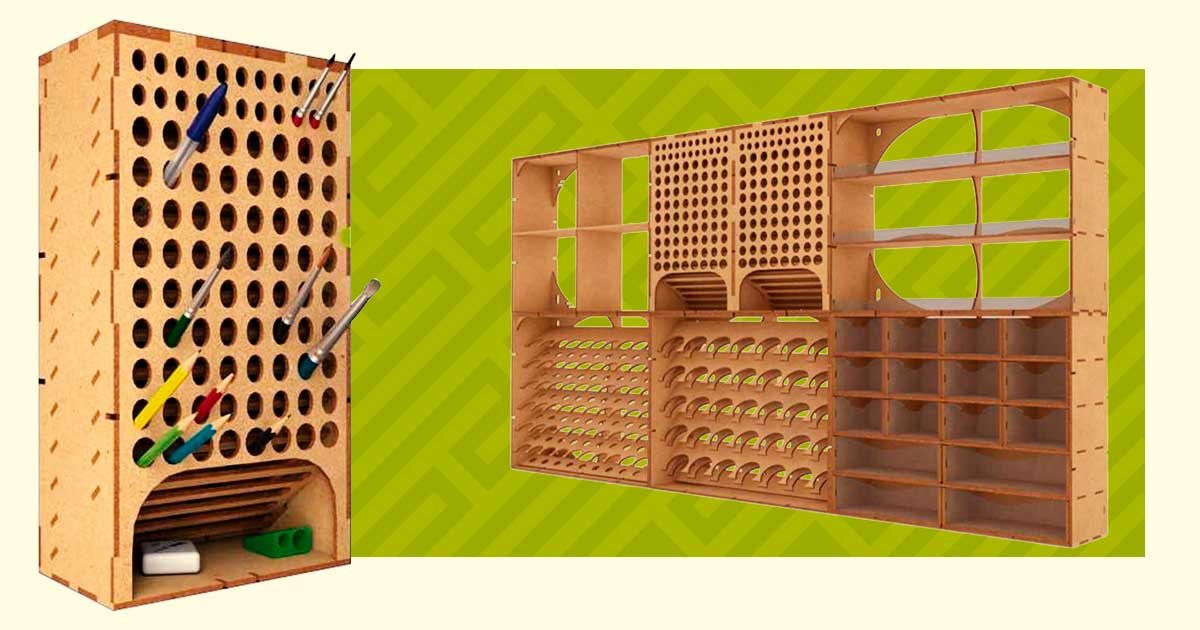
Proper storage doesn't mean buying expensive tool chests (though they help). Simple solutions work: magnetic strips for metal tools, stands for brushes, individual sleeves for cutting tools. Even just dividing a box with cardboard prevents the thunderdome situation. Climate control means finding somewhere inside the house - yeah, we know, good luck explaining that to your partner. But tools stored properly last literally decades instead of months.
![[SUGGESTED IMAGE: Well-organized hobby workspace showing proper tool storage with magnetic strips, brush stands, and divided compartments]](https://www.hearnshobbies.com/cdn/shop/files/vertical-brush-holder.jpg?v=1735971807&width=800)
The Path to Tool Redemption
Alright, we've thoroughly guilt-tripped you about your tool abuse. But here's the good news - most tools can be rescued from the brink. Unless you've actually snapped something in half or ground it down to nothing, there's usually hope. The question is whether it's worth the effort or if you should just start fresh with the promise to do better (spoiler: you won't, but we appreciate the optimism).
Start with triage. Lay out all your tools and be brutally honest. That brush that looks like it's been through a blender? Bin it - it's teaching you bad habits by forcing you to work around its dysfunction. The knife with more chips than a casino? New blade time. But that slightly crusty airbrush? Probably salvageable with effort.
For tools worth saving, dedicate a weekend to restoration. Deep clean everything - and we mean properly, not just a quick wipe. Brushes get the full spa treatment with proper cleaner and reshaping. Cutting tools get sharpened or replaced. Airbrushes get completely stripped and rebuilt. Electronic tools get serviced. It's boring, tedious work, but so is fighting crappy tools every time you try to enjoy your hobby.
Going forward, implement the "five-minute rule" - spend five minutes after each session maintaining tools. Clean the brush, wipe the knife, clear the glue tip, whatever you used. Five minutes of prevention saves hours of restoration later. Set phone reminders if you have to. Make it as routine as putting tools away. Actually, combine the two - clean as you put away. Revolutionary, we know.
The Hobbyist's Tool Commandments
- Thou shalt not use cutting tools as pry bars
- Thou shalt clean brushes before the paint dries
- Thou shalt not store tools in a jumbled heap
- Thou shalt respect the airbrush cleaning ritual
- Thou shalt replace blades before they become saws
- Thou shalt not use precision tools for rough work
- Thou shalt keep glue tips clear and functional
- Thou shalt oil and maintain powered tools
- Thou shalt store tools in climate-controlled spaces
- Thou shalt actually read the bloody manual
Frequently Asked Questions
How often should I really replace hobby knife blades?
Way more often than you currently do. A hobby knife blade should be changed whenever you feel resistance cutting through plastic or when you see white stress marks appearing on cut edges. For active modellers, that's probably every 2-3 projects, not every 2-3 years. Blades cost cents - your thumb tendons and model quality are worth more. Keep a sharps container for old blades (empty mints tin works great) and change them guilt-free. If you're pressing hard enough to leave indentations in your cutting mat, the blade's already too far gone.
Can I really restore brushes that have gone rock hard?
Sometimes, but it depends how far gone they are. If acrylic paint has dried in them, try soaking in isopropyl alcohol or dedicated brush restorer for 24 hours, then gently work the bristles. For enamel damage, mineral spirits might help. But honestly? If bristles are splayed permanently or the ferrule's packed with dried paint, bin it. You'll spend more time and effort on restoration than the brush is worth, and it'll never perform like new. Consider it tuition in the school of proper maintenance.
What's the one tool maintenance item most people skip that really matters?
Lubricating moving parts, hands down. Your pin vise, pliers, and especially airbrush triggers all need occasional oil. A tiny drop of sewing machine oil or light machine oil every few months keeps actions smooth and prevents wear. Same goes for sprue cutter pivots. The difference between maintained and neglected tools becomes really obvious after a year - one still works like new, the other feels like it's full of sand.
Is it worth buying expensive tools if I'm just going to wreck them anyway?
Here's the painful truth - expensive tools only stay good if you maintain them. A $200 airbrush will spray like a $20 one if you never clean it properly. BUT - quality tools are often more forgiving of minor neglect and easier to restore when you do mess up. They're built with better materials that resist corrosion, maintain edges longer, and have replaceable parts. Start with mid-range tools, learn to maintain them, then upgrade if you've proven you won't destroy them. There's no point buying a Ferrari if you're gonna treat it like a paddock basher.
Final Thoughts
Look, we get it. Tool maintenance is about as exciting as watching paint dry (which, ironically, is something you should prevent in your brushes). It's the eat-your-vegetables part of the hobby when all you want to do is build that new kit or weather that locomotive. But here's the thing - properly maintained tools don't just last longer; they make every single project more enjoyable.
The difference between fighting your equipment and having it work with you is massive. Clean brushes that hold a point, knives that slice rather than tear, airbrushes that actually atomize paint - these aren't luxuries, they're the basic requirements for enjoying your hobby instead of wrestling with it. Every minute spent on maintenance saves ten minutes of frustration later.
Start small if you have to. Pick one tool this weekend and give it the full restoration treatment. See how much better it works. Feel that satisfaction of using equipment that actually functions properly. Then maybe next weekend, tackle another one. Before you know it, you'll have a workspace full of tools that actually help rather than hinder. Your future self (and your future projects) will thank you. Plus, you'll save enough money on replacements to buy that limited edition kit you've been eyeing.