 is here! Shop now, pay later in 4 easy installments


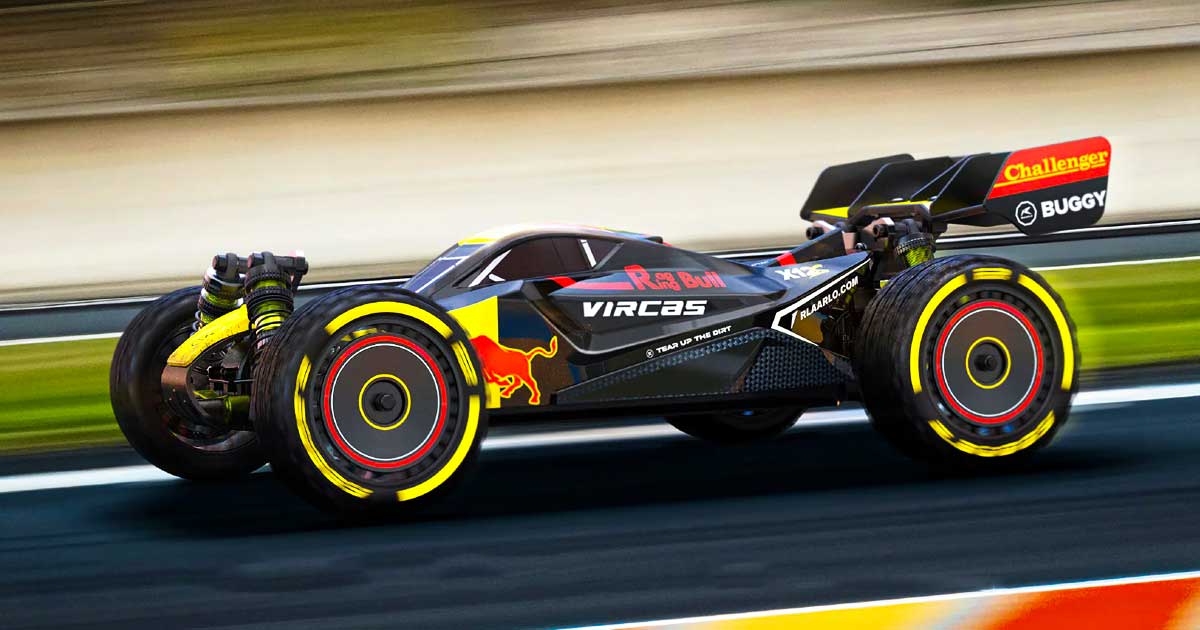
Why Switching Between Models and RC Keeps You Sane
After thirty years watching hobbyists at Hearns, we've noticed something interesting. The most balanced, content enthusiasts aren't the ones obsessively focused on a single pursuit - they're the folks who bounce between building scale models one week and thrashing RC cars the next. They'll spend a quiet Sunday morning painting a delicate aircraft cockpit, then head out that arvo to bash a Traxxas through the local park. Sounds contradictory, yeah? Turns out there's actual science behind why mixing it up keeps your mental health sorted.
Research shows that hobby rotation does more than just prevent boredom. Studies involving over 93,000 people across 16 countries found that having varied leisure activities correlates with better mental health, fewer depression symptoms, and higher life satisfaction. The blokes and sheila's who switch between different hobbies report lower stress levels, better cognitive function, and genuinely enjoy their free time more. It's not about being flaky or unable to commit - it's about giving different parts of your brain a workout whilst letting others rest.
Here's the thing though - most of us stumble into hobby burnout without realising it. You start building Gundam kits because they're relaxing, but three months later you've got seventeen unfinished builds staring at you accusingly from the shelf. What began as stress relief became another source of pressure. Or you dive deep into RC drift cars, spending every spare hour tweaking suspension geometry, until suddenly the thought of another track session makes you want to curl up in bed instead.
This isn't about being bad at hobbies - it's about understanding how your brain actually works. Different activities engage different mental processes, and when you overwork one area whilst neglecting others, things get out of balance. That's where the magic of switching between static models and RC vehicles comes in. They're similar enough to share skills and knowledge, but different enough to give your mind the variety it craves. Let's dig into why this combo works so bloody well.
Table of Contents
The Mental Health Science Behind Hobby Rotation
Alright, let's talk about what actually happens in your brain when you switch between different hobbies. Research from multiple studies shows that activity diversity - engaging in varied leisure pursuits - improves cognitive functioning across adulthood. It's not just about keeping busy; different activities literally activate different neural pathways, kind of like cross-training for your brain.
When you're hunched over a 1:48 scale Spitfire, carefully applying panel line washes, you're engaging fine motor skills, patience, and visual-spatial processing. Your brain's in a calm, focused state - similar to meditation, actually. Then you switch gears and head out with your ARRMA for some high-speed bashing. Suddenly you're processing rapid visual information, making split-second decisions, and getting your heart rate up. Completely different brain regions lighting up.
Research indicates that this mental variety helps prevent what psychologists call "cognitive monotony" - basically, your brain getting bored from doing the same thing repeatedly. Even enjoyable activities lose their appeal when they become the only thing you do. Studies show that people who engage in multiple types of leisure activities report better mental health outcomes than those focusing on a single pursuit, regardless of how much time they spend on hobbies overall.
![[SUGGESTED IMAGE: Split screen showing someone painting a detailed scale model at a workbench on one side, and the same person controlling an RC car outdoors on the other side]](https://www.hearnshobbies.com/cdn/shop/files/R-X12S-R.jpg?v=1748552880&width=600)
What's particularly interesting is the concept of "restorative activities" versus "breathers." Your detailed weathering work on a tank model acts as a restorer - it replenishes mental resources depleted by daily stress. Meanwhile, taking your rock crawler out for a session serves as a breather - a pleasurable diversion that induces positive emotions and reduces stress through different mechanisms. Having both types in your hobby rotation creates a more complete mental health toolkit.
Mental Health Benefits By The Numbers
Studies tracking thousands of hobby enthusiasts found that those with multiple leisure activities showed:
Lower cortisol levels: Reduced stress hormone production
Better blood pressure: Improved cardiovascular markers
Fewer depression symptoms: Measurably improved mood
Enhanced cognitive function: Better memory and processing speed
Higher life satisfaction: Overall improved wellbeing scores
Why Models and RC Make Perfect Partners
The beauty of combining static modelling with RC vehicles is they complement each other perfectly whilst offering completely different experiences. They're like yin and yang for your hobby life - similar enough that skills transfer between them, but different enough to engage distinct aspects of your personality and mental state.
Building scale models is fundamentally a solitary, contemplative activity. You can spend hours at your workbench, completely absorbed in getting that decal placement perfect or mixing the exact shade for a custom paint job. It's meditative, requires patience, and rewards meticulous attention to detail. You're creating something permanent, a piece you can display and admire for years. The satisfaction comes from craftsmanship and historical accuracy.
RC vehicles flip that script entirely. They're active, often social, and exist in real-time. Your off-road basher demands quick reactions, spatial awareness, and a willingness to accept that things will break (and that's part of the fun). You're out in the fresh air, maybe at the local track with other enthusiasts, getting a bit of exercise and sunshine. The satisfaction comes from performance, improvement, and the pure joy of watching something you built tear across the landscape at speed.
Here's where it gets interesting - the technical knowledge flows both ways. Understanding how real aircraft control surfaces work makes you better at setting up your RC plane's controls. Researching historical paint schemes for your Airfix kit gives you ideas for custom RC body shells. The airbrushing skills you develop on models transfer directly to painting RC bodies. Even your understanding of materials - how different plastics behave, what adhesives work where - applies across both hobbies.
But the real magic happens in how they balance each other emotionally. Had a frustrating week where everything went wrong? There's something deeply satisfying about the simple, immediate feedback of sending an RC truck off a jump. Conversely, if you're feeling overstimulated and need to slow down, settling in with a ship model and some fine brushes provides the perfect antidote. Each hobby offers what the other can't.
The Perfect Balance: Models vs RC
| Aspect | Static Models | RC Vehicles |
|---|---|---|
| Pace | Slow, contemplative | Fast, reactive |
| Social aspect | Usually solitary | Often communal |
| Physical activity | Minimal movement | Active outdoors |
| Mental state | Meditative focus | Alert engagement |
| Time commitment | Long-term projects | Immediate sessions |
| Satisfaction type | Achievement, craftsmanship | Performance, fun |
| Weather dependent | Indoor, any time | Outdoor, conditions matter |
Recognising Hobby Burnout Before It Hits
We've all been there - you walk into your hobby room and instead of excitement, you feel... nothing. Or worse, a sense of obligation. That half-finished Master Grade sitting on your bench starts to feel like homework. Your Losi gathering dust in the corner makes you feel guilty rather than eager to drive. These are the early warning signs of hobby burnout, and they're more common than you'd reckon.
Hobby burnout happens when what should bring you joy becomes another source of stress. It's characterised by three main elements: overwhelming exhaustion when thinking about the activity, cynicism or detachment from the hobby itself, and a sense that you're not accomplishing anything despite putting in time. Sound familiar? You might be burning out on your current hobby focus.
One major culprit is perfectionism. You start that 1:35 Tiger tank with grand plans for competition-level weathering and scratch-built details. Three months later, you're stuck on the tracks because they're not quite perfect, and the whole project has become a burden. Or you convince yourself every RC run needs to be about improvement - better lap times, smoother driving - until the simple pleasure of bashing around disappears entirely.
Another warning sign is when your hobby starts affecting other areas of life negatively. Yeah, hobbies should be a priority, but if you're skipping social events, neglecting exercise, or staying up way too late to "just finish this one thing" night after night, you've crossed into unhealthy territory. Research shows that hobby engagement should enhance your life, not consume it. When balance tips too far, even the most enjoyable activities become draining.
![[SUGGESTED IMAGE: A cluttered workbench with multiple unfinished model projects showing signs of hobby burnout - dusty kits, dried paint pots, scattered tools]](https://www.hearnshobbies.com/cdn/shop/products/ART-22452.png?v=1734917900&width=500)
The trickiest part? Hobby burnout often looks like laziness or loss of interest, so we beat ourselves up about it. "I used to love building wooden ships, what's wrong with me?" Nothing's wrong with you - your brain is just telling you it needs variety. The activities that once recharged your mental batteries have become part of the drain instead. That's your cue to switch things up.
Early Warning Signs
- Procrastinating on hobby time
- Feeling guilty about unfinished projects
- Losing excitement for new releases
- Everything feels like a chore
- Can't remember why you started
Physical Symptoms
- Eye strain from too much detail work
- Back pain from poor posture
- Hand fatigue or repetitive strain
- Headaches after hobby sessions
- Generally feeling drained, not refreshed
Practical Switching Strategies That Actually Work
Right, so you're convinced that rotating between models and RC is a good idea. But how do you actually implement it without ending up with seventeen half-finished projects and a garage full of neglected vehicles? The key is having a system that feels natural rather than forced, because rigid rules defeat the whole purpose of enjoyable hobbies.
The project-based approach works brilliantly for many folks. You commit to finishing one model build before switching to RC for a while, or vice versa. This doesn't mean you can't touch your RC gear whilst building - maintenance, upgrades, and quick runs are all fair game. It just means your primary focus shifts. You might spend three weeks getting that 1:72 F-16 painted and detailed, then reward yourself with a month of regular RC sessions at the local track.
Some hobbyists prefer a schedule-based rotation. Weeknights after work are perfect for calm painting sessions at the bench - you're mentally tired and need that meditative activity. Weekends are for getting outside with the RC touring car, burning off accumulated stress from the week. The routine helps manage expectations; you're not constantly torn between activities because you know which day is for what.
Then there's the mood-based approach, which is more intuitive. Feeling scattered and overstimulated? Time for some careful decal application on that Bandai kit. Feeling cooped up and restless? Grab your drift car and head to the car park. Been sitting too long at work? The crawler needs a proper trail session. This approach requires self-awareness but offers maximum flexibility.
Here's a strategy that works particularly well - the "complementary projects" method. You keep one long-term, detailed model project going (maybe that Artesania Latina galleon you've been eyeing) alongside an RC vehicle that's always ready to run. When you need a break from the intense concentration of rigging tiny sails, you take the Slash out for a bash. The model provides ongoing purpose and achievement, whilst RC offers immediate gratification and stress relief.
Whatever strategy you choose, the critical thing is giving yourself permission to switch without guilt. That Tamiya Sherman sitting half-built for three months? It's not abandoned - it's resting whilst you refresh your enthusiasm. Your ARRMA that hasn't seen action in weeks because you're deep in a Gunpla phase? It's patiently waiting for when you need speed and adrenaline again. Hobby rotation isn't about being flaky; it's about sustainable long-term engagement.
The Two-Kit Rule
Here's a simple approach many successful hobbyists use: Always have two projects going - one scale model and one RC vehicle (either building or upgrading). When you hit a stopping point on one (paint needs to dry, waiting for parts, just need a break), you switch to the other. Natural rotation without forcing anything, and you're always making progress somewhere.
How Skills Transfer Between Static and Dynamic Hobbies
One of the massive advantages of splitting your time between models and RC is how skills learned in one area enhance the other. It's not just about variety for mental health - you're actually becoming better at both hobbies by not focusing exclusively on either. The technical knowledge and practical abilities flow both ways, creating a positive feedback loop that makes each activity more rewarding.
Start with painting and finishing, probably the most obvious crossover. The airbrushing techniques you develop working on scale models directly apply to custom RC body shells. That smooth fade you perfected on a Tamiya P-51? Same technique makes your drift car body look professional. Understanding primer selection, paint thinning ratios, and masking strategies works across both hobbies. Even weathering effects transfer - that realistic mud splatter on your 1:35 tank teaches you how to properly weather your rock crawler's body.
Mechanical understanding flows beautifully between the hobbies too. Researching how real suspension systems work for your armoured vehicle model gives you insight into setting up your RC off-roader's suspension properly. Understanding aerodynamics whilst building an aircraft kit helps you comprehend why your RC plane behaves certain ways in flight. Even basic stuff like how differentials work or why weight distribution matters - knowledge gained from either hobby enriches the other.
Tool skills multiply your capabilities across both areas. Learning to use scribing tools for panel lines on models develops the steady hand needed for precise hex driver work on RC vehicles. Getting proficient with pin vises and drill bits for model details means you can confidently modify RC parts when needed. The filing and sanding techniques from preparing model parts apply directly to custom RC fabrication.
![[SUGGESTED IMAGE: A well-organized hobby workbench showing both model building tools and RC maintenance equipment, demonstrating how skills overlap between the hobbies]](https://www.hearnshobbies.com/cdn/shop/products/med_res_1e40357e-74a7-4b26-a0fd-163a150e8d85.jpg?v=1735861826&width=600)
Problem-solving abilities developed in one hobby become instinctive in the other. That patience you cultivated waiting for multiple paint coats to cure? It helps when you're methodically diagnosing why your ESC keeps cutting out. The troubleshooting mindset from fixing broken servos and sorting electrical issues in RC vehicles makes you better at solving construction problems in complex model builds. Each hobby trains different aspects of technical thinking that complement each other.
Skill Transfer Map
| Skill Area | From Models to RC | From RC to Models |
|---|---|---|
| Finishing | Professional paint techniques | Realistic wear patterns |
| Mechanical | How systems actually work | Practical assembly knowledge |
| Tools | Precision and detail work | Efficient practical methods |
| Materials | Understanding plastics, metals | Real-world durability knowledge |
| Design | Attention to authentic detail | Functional engineering principles |
The Australian Seasonal Approach to Hobby Rotation
Living in Australia adds another dimension to hobby rotation that overseas hobbyists don't quite experience. Our weather extremes naturally push you toward different activities at different times, and smart hobbyists work with these patterns rather than against them. It's about making the seasons work for you, not fighting them.
Summer here can be brutal for RC activities during the day. When it's pushing 40 degrees and the bitumen's melting, taking your on-road car out during peak hours is asking for overheating issues with your motor and battery. This is when the air-conditioned hobby room becomes your best mate. Perfect time to tackle that backlog of model kits, work on detailed painting projects, or finally build that HG Gundam you've been putting off. Early morning or evening RC sessions work when the heat breaks, but daytime's for staying inside with the models.
Autumn and spring are goldilocks seasons for balanced hobby rotation. The weather's perfect for extended RC outings - mild temperatures keep electronics happy and you're comfortable spending hours at the track or local bash spot. But it's also pleasant enough for some bench time with windows open. These transitional seasons are ideal for maintaining both hobbies equally. You might do RC aircraft sessions Saturday morning whilst conditions are calm, then spend Sunday arvo working on that wooden ship model.
Winter brings its own opportunities, especially if you're down south where it actually gets properly cold. Outdoor RC activities need more planning - batteries hate the cold and you're probably not keen on freezing your hands off. But indoor carpet racing with Mini-Z vehicles becomes brilliant, and building on-road kits for the coming racing season makes sense. It's also perfect weather for marathon modelling sessions - comfortable temperatures mean your paints behave properly and you won't overheat sitting at the bench for hours.
Rain and storms create natural rotation points too. Planned a big RC day but the weather's turned? That's the universe telling you to finally finish that Italeri helicopter you started three months ago. Been glued to your workbench for weeks and the sun comes out? Time to give that Traxxas a proper workout. Australian weather's unpredictable enough that it naturally forces variety into your hobby schedule if you let it.
Summer Strategy
- Focus on indoor model building
- Early morning/evening RC sessions
- Battery management crucial for RC
- Perfect painting weather (low humidity)
- Christmas holidays = project time
Winter Approach
- Indoor carpet racing thrives
- Longer bench sessions comfortable
- Build/upgrade projects for spring
- Paints behave more predictably
- Weather limits outdoor RC naturally
Building a Sustainable Hobby Routine
Right, so you're convinced about hobby rotation and you understand the benefits. But how do you actually build a sustainable routine that doesn't add stress instead of relieving it? The key is creating flexible systems that support your hobbies without turning them into obligations. Because the moment your leisure time starts feeling like another to-do list, you've missed the point entirely.
Start by being realistic about your actual available time. If you've got thirty minutes on weeknight evenings, that's perfect for small tasks - assembling a few Entry Grade kit parts, cleaning and maintaining your RC vehicle, or doing some basic brush painting. Don't try forcing a four-hour detailed weathering session into that window - you'll just end up frustrated. Weekend mornings might give you three-hour blocks for proper RC track time or significant progress on that Master Grade build.
Create "low barrier" options for both hobbies. For models, that might mean keeping a simple Quick Build kit ready that doesn't require major time investment. For RC, having a reliable RTR basher that's always ready to run means you can grab fifteen minutes of stress relief without needing to prepare anything. These low-commitment options prevent the "all or nothing" mindset that leads to hobby neglect.
Use project tracking, but keep it simple. A basic spreadsheet or even just a notebook works fine - list your ongoing builds, what stage they're at, what you need to finish them. For RC, track maintenance needs and upgrade ideas. This isn't about adding pressure; it's about reducing the mental load of remembering where everything's at. When you sit down for hobby time, you know exactly what options are available without having to reorient yourself every session.
Build in intentional variety even within each hobby. Don't just build the same type of model over and over - mix cars, aircraft, and armour. Try different scales and manufacturers. With RC, rotate between drifting, crawling, and off-road bashing. This adds another layer of variety that prevents staleness whilst keeping you within your chosen hobbies.
Most importantly, give yourself permission to follow your enthusiasm. If you're really feeling that Star Wars model right now, do it. If you suddenly get the urge to upgrade your Losi's suspension, go for it. Forced rotation ("I must do RC today because it's Tuesday") defeats the purpose. The goal is sustainable enjoyment over years, not rigid adherence to arbitrary schedules. Your hobbies should adapt to you, not the other way around.
The Sustainability Checklist
Ask yourself these questions regularly:
✓ Am I still enjoying my hobby time, or does it feel like work?
✓ Do I look forward to sessions, or dread them?
✓ Am I maintaining balance with other life areas?
✓ Are my expectations realistic for my actual available time?
✓ When did I last feel genuine excitement about a project?
If you're answering negatively to most of these, it's time to reassess your approach.
Frequently Asked Questions
How do I know when it's time to switch from one hobby to the other?
Your body and mind usually tell you, if you listen. When sitting at your workbench starts feeling more like obligation than enjoyment, or when you're itching to get outside instead of detailing that Tamiya kit, that's your signal. Conversely, if you're feeling overstimulated after RC sessions and craving something calm, it's bench time. Some folks notice physical signs too - eye strain from close-up model work means it's time for outdoor RC activities, whilst sore hands from transmitter gripping suggests some gentle painting might be better. Trust your instincts - they're usually spot on about what you need.
Won't switching between hobbies mean I never finish anything?
Actually, the opposite tends to be true. Hobby burnout is what leaves you with seventeen half-finished projects because you lost interest and never came back. Switching between models and RC keeps your enthusiasm fresh, meaning you're more likely to return to projects and actually complete them. The key is maintaining momentum on both without forcing completion when your brain's telling you it needs a break. Most experienced hobbyists find they finish more projects overall when they allow themselves to rotate rather than grinding through burnout.
What if I genuinely prefer one hobby over the other?
That's completely fine! The goal isn't equal time between hobbies - it's having options when your primary interest starts feeling stale. Maybe you're 80% into scale modelling and only occasionally dabble in RC for physical activity and social connection. Or perhaps RC racing is your main passion but you enjoy building simple kits on rainy days. The ratio matters less than having that secondary outlet available when you need mental variety. Even a minor hobby engagement provides the cognitive diversity that benefits mental health.
Is it worth investing in both hobbies if I'm on a budget?
Absolutely, and here's why - you don't need massive investments in both to get the mental health benefits. A basic RTR RC vehicle provides immediate, ongoing enjoyment without constant purchases. Meanwhile, scale models are relatively inexpensive per project, and you can start with entry-level kits and basic paints. Many tools and skills overlap between hobbies too, maximising your investment. It's actually more cost-effective to maintain moderate engagement in both than to burn out on one expensive hobby and need to find a completely different outlet. Think of it as insurance for your mental wellbeing rather than doubled expenses.
Final Thoughts
After three decades serving the Australian hobby community at Hearns, we've watched countless enthusiasts discover this truth: the best hobbyists aren't the ones who obsess over a single pursuit to perfection. They're the folks who understand that sustainable enjoyment comes from variety, balance, and listening to what their mind and body need at different times.
Switching between static modelling and RC vehicles isn't about being indecisive or lacking focus. It's about recognising that different activities serve different mental health needs, and giving yourself permission to engage with whatever brings you genuine joy in the moment. The quiet meditation of painting a delicate aircraft and the adrenaline rush of bashing an RC truck through mud both have their place in a balanced hobby life.
Research backs up what our experience shows - hobby diversity improves mental health, prevents burnout, and actually makes you better at both pursuits through skill transfer and renewed enthusiasm. Whether you follow a structured rotation schedule or just switch when the mood strikes, the important thing is maintaining that variety over the long term. Because hobbies should recharge you, not drain you, and the best way to ensure that happens is giving yourself options.