 is here! Shop now, pay later in 4 easy installments


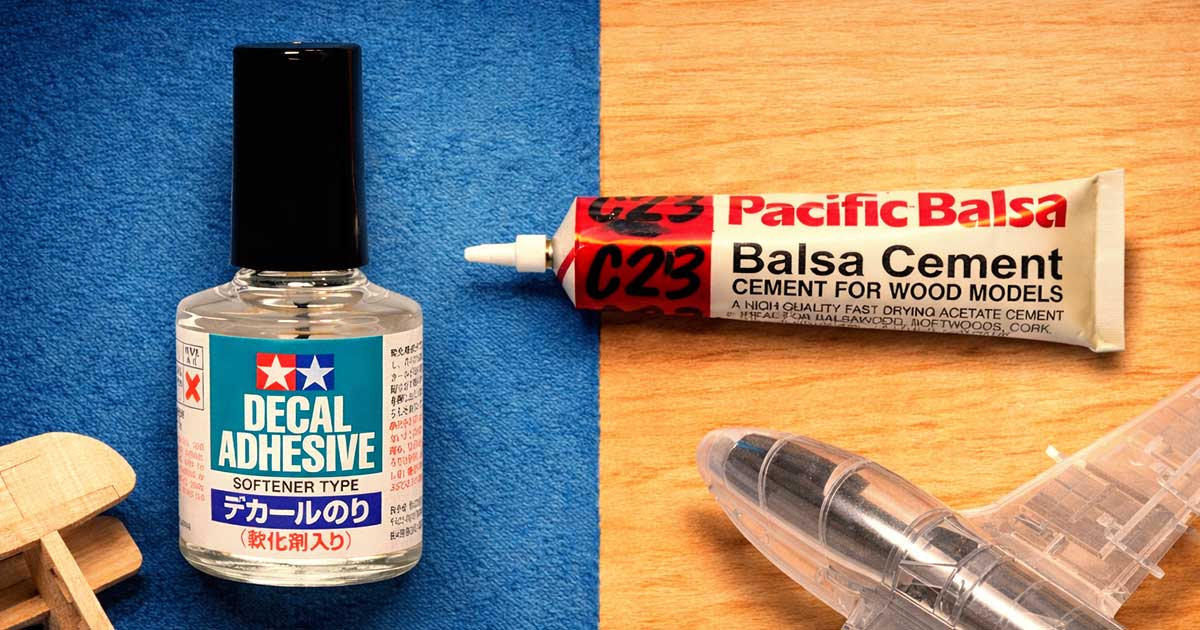
Why Different Materials Need Different Adhesives
Ever wondered why your mate's perfectly assembled plastic model fell apart when he used wood glue instead of plastic cement? Or why that super glue you grabbed for your metal miniature worked brilliantly but made an absolute mess on foam? The answer isn't just "because that's what the instructions say" - there's genuine chemistry happening at a molecular level that determines which adhesive works with which material.
We've spent three decades at Hearns Hobbies watching folks struggle with the wrong adhesive choices, and honestly, most explanations out there are either too technical or too vague to actually help. You don't need a chemistry degree to understand why materials behave differently with adhesives, but you do need to grasp a few basic principles about how stuff sticks together. And yeah, it's actually pretty fascinating once you get into it.
The thing is, all materials have different surface characteristics at the microscopic level. Some are porous like wood, others are smooth and non-reactive like certain plastics, and some have special properties that make bonding tricky. Your adhesive needs to work WITH these characteristics, not against them. Using the wrong glue isn't just inefficient - it can actually damage your project or create bonds that fail spectacularly at the worst possible moment.
This guide breaks down the actual science behind adhesive compatibility without boring you senseless. We'll explore why plastic cement melts rather than sticks, why epoxy creates bonds stronger than the materials themselves, and why some surfaces need special preparation before any glue will work properly. By the end, you'll reckon you can choose the right adhesive based on actual understanding rather than trial and error.
Table of Contents
Understanding Surface Chemistry and Porosity
Right, let's start with the basics that nobody explains properly. Every material has what's called surface energy - basically how much its molecules want to interact with other substances. High surface energy materials like bare metal or untreated wood are eager to bond with adhesives because their surface molecules are actively looking for something to stick to. Low surface energy materials like polypropylene or silicone? They're basically saying "nah, we're good" to most adhesives.
Porosity is the other critical factor. Porous materials like wood, paper, or certain foams have tiny holes and gaps that adhesives can penetrate into, creating what's called mechanical bonding. The glue literally locks into these microscopic spaces like thousands of tiny anchors. Non-porous materials like metal or smooth plastic don't have these gaps, so adhesives need to bond through chemical attraction instead.
Here's where it gets interesting - surface preparation changes these characteristics. Sanding a smooth plastic body shell creates artificial porosity, giving adhesives more surface area to grip. Cleaning metal parts removes oils that lower surface energy. This is why your grandad always banged on about proper preparation - he wasn't just being fussy, he was working with actual chemistry principles.
The molecular structure matters too. Some materials have long polymer chains that can actually intertwine with adhesive molecules, creating incredibly strong bonds. Others have tightly packed crystalline structures that don't allow much molecular mixing. This explains why certain plastics are notoriously difficult to glue - their molecular arrangement just doesn't play nice with most adhesives.
![[SUGGESTED IMAGE: Close-up microscopic comparison showing porous wood surface next to smooth plastic surface, illustrating the difference in surface structure that affects adhesive bonding]](https://www.hearnshobbies.com/cdn/shop/products/t87193_39fca1e5-d4c2-4f44-8c6a-54dd8109d37d.jpg?v=1735332911&width=600)
The Surface Energy Quick Test
Want to know if a material has high or low surface energy? Put a drop of water on it. If the water beads up, you've got low surface energy (harder to glue). If it spreads out, high surface energy (easier to bond). This simple test helps determine if you need special surface preparation or specific adhesives for your project.
The Unique World of Plastic Bonding
Plastic cement doesn't actually glue plastic together in the traditional sense - it melts it. Yeah, properly melts it. The solvent in plastic cement dissolves the surface of polystyrene plastic parts, allowing the polymer chains to mix together before the solvent evaporates. What you end up with isn't two pieces stuck together, but literally one piece of plastic where the join used to be. This is why properly cemented joints are often stronger than the surrounding material.
But here's the catch - this only works on certain plastics. Polystyrene, which is used in most model kits, responds brilliantly to plastic cement. ABS plastic, common in RC car bodies, needs different solvents. And polyethylene or polypropylene? Forget it - the solvents in standard plastic cement won't touch them. This is why your RC body shell (usually polyethylene) won't bond with regular plastic cement no matter how much you use.
The thickness of plastic cement matters too. Thin cement wicks into tight joints through capillary action, making it perfect for pre-assembled parts. Thick cement stays put and works better for gap-filling, but takes longer to cure. Some modellers reckon you need both types in your toolkit, and honestly, they're probably right for serious building.
For plastics that don't respond to solvent cement, cyanoacrylate (CA glue or super glue) becomes your best mate. CA glue works through a chemical reaction with moisture in the air and on the surface, creating rapid polymerisation. It bonds to most plastics through surface adhesion rather than melting, which is why it works on materials that resist solvent cement. The bond isn't quite as strong as a proper solvent weld, but it's plenty good for most hobby applications.
Common Plastic Types in Hobby Projects
| Plastic Type | Common Uses | Best Adhesive |
|---|---|---|
| Polystyrene | Model kits, scenery | Plastic cement |
| ABS | RC bodies, some toys | ABS cement or CA glue |
| Polyethylene | Flexible parts | Special PE adhesive or epoxy |
| Polypropylene | Living hinges, flexible parts | PP-specific adhesive |
| Polycarbonate | Clear windows, lenses | CA glue or special PC cement |
Why Wood Needs Penetrating Adhesives
Wood is basically a bundle of hollow tubes (called fibres) running lengthwise through the material. This porous structure means wood glue needs to penetrate into these fibres to create a proper bond. PVA (polyvinyl acetate) wood glue works perfectly because it's thin enough to soak into the fibres whilst remaining strong when cured. The glue essentially becomes part of the wood structure, creating bonds that are often stronger than the wood itself.
Here's something interesting - wood glue actually needs moisture from the wood to cure properly. This is why you shouldn't use it on bone-dry timber or in super low humidity conditions. The glue draws moisture from the wood fibres, allowing the PVA molecules to form long chains that lock into the cellular structure. In dry Australian conditions, you might need to slightly dampen your wooden ship parts before gluing for optimal results.
Different woods have different densities and grain patterns, which affects adhesion. Hardwoods like balsa used in RC aircraft construction have tighter grain and need less glue than softwoods. Open-grained woods like oak or ash need more glue to fill the larger pores. This is why experienced builders adjust their glue application based on the specific timber they're working with rather than using the same amount every time.
For wooden model projects that'll be handled frequently or exposed to moisture, you want waterproof wood glue rather than standard PVA. The waterproof varieties use different chemistry that creates bonds resistant to moisture breakdown. They're slightly harder to work with (longer setup time, harder cleanup) but worth it for projects like model ships or outdoor rocket fins.
![[SUGGESTED IMAGE: Cross-section of wood grain showing how PVA glue penetrates into the fibrous structure, with arrows indicating glue penetration paths]](https://www.hearnshobbies.com/cdn/shop/products/un1263_dbaf9d30-5227-4c28-a4f5-661e061dbc4a.jpg?v=1735333029&width=900)
Metal Bonding and Surface Reactivity
Metal presents unique challenges because most metals oxidise when exposed to air, creating a thin layer that prevents good adhesion. That's why you need to clean metal parts thoroughly before gluing - you're removing this oxide layer to expose fresh, reactive metal underneath. A quick wipe with methylated spirits or isopropyl alcohol does wonders for improving bond strength on photo-etch brass parts.
Cyanoacrylate glue works brilliantly on metal because it reacts with trace moisture on the surface to form strong chemical bonds. The thicker gap-filling CA glues are particularly good for metal-to-metal joints where perfect fitment isn't possible. Some modellers reckon the gel-type CA glues work even better for metal because they don't run off vertical surfaces whilst curing.
For really demanding applications - like attaching heavy motors to RC chassis or bonding structural metal components - two-part epoxy is your best option. Epoxy creates incredibly strong chemical bonds with metal through a process called chelation, where the epoxy molecules actually form bonds with the metal atoms themselves. This creates joints that can withstand vibration, impact, and temperature changes far better than other adhesives.
Different metals have different reactivity levels. Copper and brass bond easily with most adhesives. Stainless steel and aluminium can be trickier because they form oxide layers almost instantly after cleaning. For these metals, you might need to apply adhesive immediately after cleaning or use a metal primer to keep the surface reactive. Some folks working with aluminium die-cast parts swear by roughening the surface with fine sandpaper before gluing.
The Temperature Factor
Metal conducts heat rapidly, which affects adhesive curing. CA glue can cure too quickly on metal in warm conditions, creating weak bonds. Epoxy cures faster on metal than on plastic or wood due to heat retention. In Australian summers, you might need to adjust your working time expectations when bonding metal model parts.
Resin and Photo-Etch Considerations
Resin kits have become heaps popular for detailed miniatures and conversion parts, but they're chemically different from plastic. Most hobby resin is polyurethane-based, which doesn't respond to plastic cement at all. The solvent just sits there doing nothing because polyurethane doesn't dissolve in the same chemicals that melt polystyrene. This catches out loads of builders who assume all model materials work the same way.
Cyanoacrylate glue is the go-to adhesive for resin because it bonds through surface chemistry rather than dissolving. Thin CA glue works brilliantly for joining resin parts together, whilst the thicker varieties are perfect for filling the inevitable gaps and bubbles you find in cast resin. The rapid curing time of CA glue also means you're not waiting around for hours whilst holding delicate resin parts in position.
Resin surfaces often have release agent residue from the casting process, which prevents adhesives from bonding properly. This is why experienced builders always wash resin parts in warm soapy water before assembly. You're removing this invisible barrier that would otherwise cause joints to fail weeks or months after assembly. A soft toothbrush works great for getting into detailed areas of complex resin miniatures.
Photo-etched brass parts present their own challenges. The metal is so thin that excessive adhesive shows through and ruins the scale appearance. Tiny amounts of thin CA glue applied with a pin or toothpick work best. Some modellers use CA glue accelerator spray on one surface before joining to get instant bonds without excess glue squeeze-out. For aircraft cockpit details or tank accessories, this technique is invaluable.
Resin Bonding Tips
- Always wash parts before gluing
- Use thin CA glue for joins
- Thick CA for gap-filling
- Keep accelerator handy
- Test-fit everything first
Photo-Etch Success
- Clean with alcohol first
- Minimal glue application
- Use pin or toothpick
- Consider PE bending tools
- Practice on spare parts
Foam, Fabric and Flexible Materials
Foam is brilliant for RC aircraft and gaming terrain, but it's a nightmare if you use the wrong adhesive. Most foams dissolve or melt when exposed to solvents, which rules out plastic cement and many other adhesives. I've seen folks completely ruin foam wings by using standard CA glue, which generates heat as it cures and can melt right through the material.
Foam-safe CA glue exists specifically for this reason - it uses different chemistry that doesn't generate as much curing heat. Alternatively, PVA-based adhesives like white glue work well for porous foams, though they take much longer to cure. For foam gliders or scratch-built aircraft, having the right foam-safe adhesive makes all the difference between success and a melted mess.
Fabric requires flexible adhesives that won't crack when the material moves. Standard CA glue creates rigid bonds that'll eventually fail on flexing fabric. Fabric-specific adhesives remain flexible after curing, allowing the natural movement of the material. For RC model covering or fabric terrain details, this flexibility is essential for durability.
Flexible materials like rubber or silicone are notoriously difficult to bond because they're designed specifically to resist adhesion. Their low surface energy means most adhesives just won't stick. Specialised rubber adhesives use aggressive solvents to slightly dissolve the surface, creating enough roughness for bonding. For hobby applications involving flexible RC tyres or rubber components, these specialised adhesives are worth tracking down.
Bonding Different Materials Together
Here's where things get properly interesting - when you need to stick two completely different materials together. Joining metal parts to plastic bodies, or attaching wooden details to resin bases. The adhesive needs to work with BOTH materials' surface properties simultaneously, which eliminates many options straight away.
Two-part epoxy is brilliant for mixed-material bonding because it creates mechanical and chemical bonds with nearly everything. It doesn't rely on dissolving surfaces like plastic cement, so it works equally well on metal, plastic, wood, and resin. The gap-filling properties of epoxy also accommodate the different expansion rates of dissimilar materials, preventing joints from cracking under temperature changes.
Cyanoacrylate glue also handles mixed materials reasonably well, though not quite as strongly as epoxy. Its rapid curing is useful when you're joining materials with very different thermal properties - like attaching metal motor mounts to plastic chassis in RC vehicles. The quick set time prevents thermal expansion from affecting alignment before the bond forms.
Surface preparation becomes even more critical for mixed materials. You might need to sand the plastic surface to increase bonding area whilst cleaning the metal with solvent. Different materials also have different ideal roughness levels - metal bonds better when slightly roughened, whilst some plastics prefer smooth surfaces. This is where experience really matters, though test pieces are always your best mate for unfamiliar material combinations.
Mixed Material Bonding Guide
| Material Pair | Best Adhesive | Prep Required |
|---|---|---|
| Metal to plastic | Epoxy or CA glue | Clean metal, roughen plastic |
| Wood to metal | Epoxy | Clean both surfaces |
| Resin to plastic | CA glue | Wash resin first |
| Foam to plastic | Foam-safe CA or PVA | Minimal prep |
| Clear plastic to anything | Clear epoxy or gel CA | Test for fogging first |
Common Mistakes and How to Avoid Them
The most common mistake we see at Hearns Hobbies? Using too much adhesive. Seriously, more glue doesn't mean stronger bonds - it usually means weaker ones with visible squeeze-out ruining your model's finish. Excess CA glue creates a brittle bond that cracks easily. Extra plastic cement melts too much material, weakening the joint. The right amount is always less than you reckon.
Not testing adhesive compatibility is another risky move. That new spray paint might react with CA glue, causing ugly fogging. Your "universal" adhesive might melt that particular type of foam. Always test on scrap pieces or hidden areas before committing to critical joints on your limited edition kit. Five minutes of testing saves hours of repair work.
Skipping surface preparation is basically asking for bond failure. That oily residue on die-cast parts? It'll prevent any adhesive from sticking properly. The mould release on resin miniatures? Same problem. Even seemingly clean plastic parts have contaminants from handling. A quick wipe with methylated spirits takes seconds and dramatically improves bond strength.
Rushing the curing process creates weak joints that fail later. CA glue might feel solid after 30 seconds, but full strength takes hours. Epoxy rated for 5-minute working time still needs 24 hours for maximum strength. Wood glue bonds continue strengthening for days after assembly. Patience with curing times prevents the frustration of bonds failing during subsequent work or handling.
The Australian Climate Factor
Our hot, dry conditions affect adhesive performance. CA glue cures faster in humidity, so dry Australian air means longer setup times. PVA glues might dry too quickly in low humidity before proper penetration occurs. Epoxy cures faster in heat, reducing working time on 35-degree days. Adjust your techniques based on local conditions for optimal results.
Frequently Asked Questions
Why does CA glue create white frosting on some plastics and not others?
This phenomenon, called blooming or frosting, happens when CA glue vapours react with moisture in the air and deposit on the surface as white crystals. It's more common on smooth, non-porous plastics where the vapours can't be absorbed. Dark-coloured and glossy surfaces show it worst. Using gel CA glue instead of thin varieties reduces frosting because gel produces fewer vapours. Working in well-ventilated areas helps, and you can remove existing frosting by carefully sanding or polishing affected areas. Some modellers use CA glue accelerator spray which speeds curing and reduces vapour production, though this creates its own challenges with extremely rapid setting times.
Can I use wood glue on MDF or particle board, or do I need something different?
Standard PVA wood glue works on MDF and particle board, but with important differences from solid wood bonding. These engineered materials are much denser and less porous than natural timber, meaning glue doesn't penetrate as deeply. You'll need slightly more glue than for solid wood, and clamping pressure becomes more critical because mechanical interlocking is reduced. The edges of MDF are particularly tricky because they're more porous than faces - seal edges with diluted PVA before assembly gluing for better results. For gaming terrain or diorama bases using MDF, consider using contact cement or construction adhesive for structural joints whilst reserving PVA for detail work.
What's the actual difference between 5-minute, 30-minute, and slow-cure epoxy beyond working time?
The cure speed dramatically affects final strength, heat generation, and penetration. Fast 5-minute epoxy generates more heat during curing (exothermic reaction) which can warp thin plastic or damage heat-sensitive materials. It's also less penetrating because it starts thickening quickly, making it better for gap-filling than creating maximum-strength chemical bonds. Slow-cure epoxy generates less heat, penetrates surfaces better, and typically achieves greater final strength. The 30-minute variety balances these factors reasonably well for most hobby applications. For critical structural bonds in RC vehicles or large model ships, slow-cure epoxy is worth the patience. Save fast epoxy for quick repairs and non-critical joins where convenience outweighs maximum strength.
Why do some adhesives work fine for months then suddenly fail?
Delayed bond failure usually indicates inadequate surface preparation or environmental factors. Contaminated surfaces create initial adhesion through mechanical grip rather than proper chemical bonding - works initially but eventually fails as materials flex or temperature cycles break the weak bond. Hidden moisture can slowly degrade certain adhesives, particularly PVA-based glues that aren't waterproof. UV exposure degrades some adhesives over time, especially visible on clear parts or outdoor projects. Stress concentration at joints can cause fatigue failure - the adhesive is fine, but constant flexing at the bond line eventually causes material or glue failure. For critical bonds on valuable models, proper surface prep and choosing adhesives rated for your specific stress conditions prevents these delayed failures.
Final Thoughts
Understanding adhesive chemistry transforms your hobby building from guesswork into informed decision-making. When you grasp WHY plastic cement melts surfaces together, or HOW CA glue creates chemical bonds, or WHAT makes epoxy so versatile, you're equipped to choose the right adhesive for any situation. You'll recognise when someone's blog recommendations won't work for your specific materials, and you'll know how to adapt techniques for Australian conditions.
The science behind adhesion isn't just academic knowledge - it directly impacts the longevity and quality of every model, RC vehicle, or gaming project you build. Proper adhesive selection prevents frustrating failures, saves money on rework, and produces professional results that last. Surface preparation makes more sense when you understand what's happening at the molecular level. Curing times become less annoying when you know WHY patience matters.
Most importantly, this knowledge gives you confidence to tackle complex projects involving multiple materials. That ambitious Gundam build mixing plastic, metal, and clear parts? You've got this. The wooden ship model with brass fittings and resin details? No worries. Understanding material compatibility and adhesive chemistry removes the intimidation factor from advanced building techniques.