 is here! Shop now, pay later in 4 easy installments


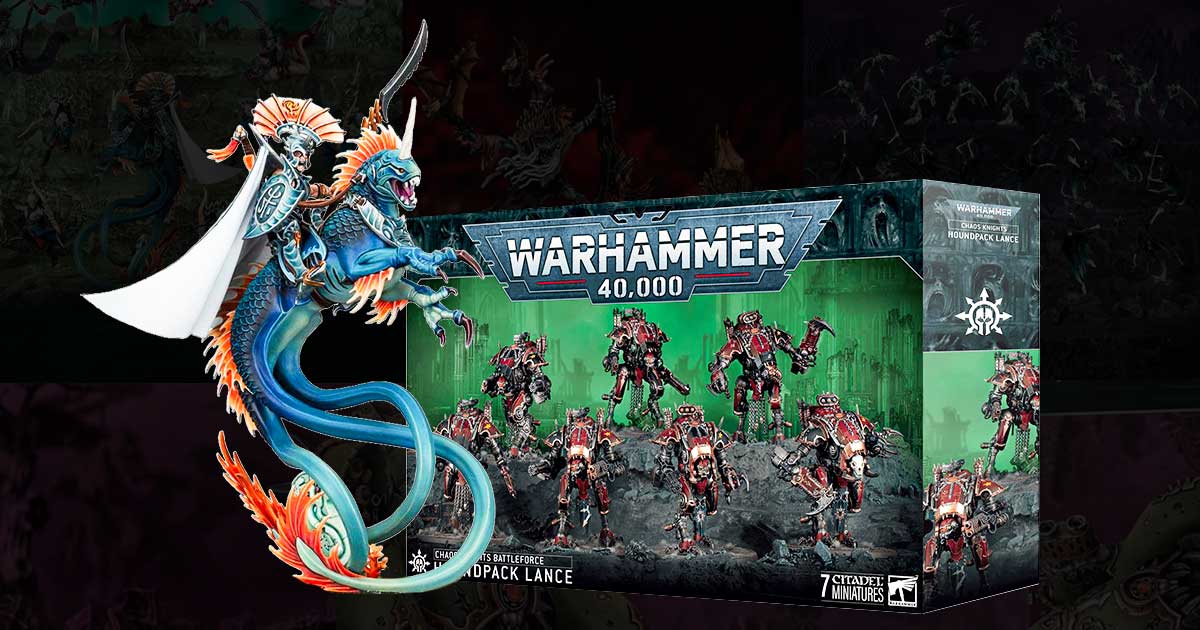
From Tabletop Dreams to Painted Reality: Starting Your First Miniature Army
We've all been there - standing in front of that wall of miniatures at Hearns, completely overwhelmed by choices. The glossy box art promises epic battles and painted perfection, but where do you actually start? Building your first wargaming army feels like jumping into the deep end, especially when veteran players throw around terms like "meta lists" and "tournament legal."
Here's the thing - every grizzled wargamer with shelves of perfectly painted armies started exactly where you are now. They made mistakes, bought units they never used, and yes, probably got paint on their carpet at least once. At Hearns Hobbies, we see new players taking their first steps into tabletop gaming every week, and honestly? The journey from unpainted plastic to tabletop-ready army is half the fun.
The Australian wargaming scene has exploded in recent years. Local clubs are thriving, tournaments run most weekends, and finding opponents isn't the challenge it used to be. But that growth brings its own pressures - scroll through any gaming group and you'll see incredible paint jobs that seem impossible to match. Trust me though, those painters started with wobbly lines and thick coats just like everyone else.
This guide cuts through the noise to focus on what really matters when starting your miniature journey. We're talking practical advice about choosing your first army, essential tools that won't break the bank, and painting techniques that actually work for beginners. More importantly, we'll help you avoid teh expensive mistakes that leave boxes of unpainted shame hidden in cupboards across Australia.
Table of Contents
Choosing Your First Wargame System
Let's address the elephant in the room - when people say "wargaming," most immediately think Warhammer. And yeah, it's the biggest player in town, but it's far from your only option. The tabletop landscape in 2025 offers heaps of different games, each with their own flavour and community. Your choice here shapes everything that follows, from army selection to painting style.
Scale matters more than you'd think. 28mm miniatures dominate the market - they're large enough to paint details but small enough to fit reasonable armies on a table. Games like Warhammer 40,000, Age of Sigmar, and Infinity use this scale. Then you've got smaller scales like 15mm for historical games, where you're painting units rather than individuals. Bigger isn't always better - smaller scales often mean cheaper armies and easier storage.
Consider the commitment level different games demand. Skirmish games need maybe 10-20 models total - perfect for testing the waters without diving into the deep end financially. Something like Kill Team or Malifaux gets you playing with a painted force in weeks, not months. Mass battle games look epic but require serious dedication. We're talking 100+ models for a decent-sized army. The painting alone can take months if you're working evenings and weekends.
Don't underestimate the importance of local community. The coolest game in the world means nothing if nobody near you plays it. Check Facebook groups, visit local stores on game nights, and see what's actually hitting tables in your area. Most Australian cities have strong communities for the major systems, but niche games might struggle outside Melbourne or Sydney. Nothing kills enthusiasm faster than a painted army with no opponents.
![[SUGGESTED IMAGE: Display of various wargaming systems boxes and starter sets on shelves, showing different game options available]](https://www.hearnshobbies.com/cdn/shop/files/sundaypreview-jun29-aos_06-idkspearhead-zujcyhf3wv_8f326d6b-02d3-407e-ad88-d04158ae89c3.jpg?v=1752547583&width=800)
Selecting Your Army: Beyond the Cool Factor
Alright, you've picked your game system. Now comes the fun part - choosing which army to collect. This decision shapes your hobby experience for months or even years, so it's worth taking time to get right. Sure, rule of cool applies (always pick what looks awesome to you), but there's more to consider than just aesthetics.
Playstyle preferences matter enormously once dice start rolling. Some armies excel at shooting from across the table, turning games into long-range duels. Others specialize in brutal close combat, rewarding aggressive players who push forward. Magic-heavy forces in fantasy games suit players who enjoy complex synergies and spell combinations. Then you've got elite armies with few, powerful models versus horde armies fielding masses of weaker troops. Be honest about what sounds fun - if you hate painting, maybe skip the army that needs 200 models.
Let's talk money, because wargaming ain't cheap. Entry costs vary wildly between armies, even within the same game. Elite forces often cost less overall - fewer models means fewer boxes to buy. Horde armies might seem cheaper per model but add up fast when you need dozens of units. Factor in special characters, vehicles, and monsters that most armies eventually want. Set a realistic budget and research actual army lists to see what you're getting into. Starter sets often provide the best value, bundling core units at a discount.
Painting complexity deserves serious consideration. Some armies paint up beautifully with simple techniques - space marines basically paint themselves with spray primers and washes. Others demand intricate detail work that'll test your patience and brush control. Organic armies with lots of skin, fur, or irregular surfaces can frustrate beginners used to painting flat armour panels. Research painting guides for your chosen force and honestly assess whether you'll enjoy the process. Remember, you'll be painting these models for months.
Army Selection Reality Check
Before committing to an army, ask yourself: Will I enjoy painting 50+ of these models? Does the playstyle match my personality? Can I afford to build a functional force? Is anyone locally playing this faction? One 'no' doesn't kill the deal, but multiple red flags suggest looking at alternatives.
Essential Tools and Supplies
Walking into the hobby tools section can feel like entering a hardware store - overwhelming rows of specialized equipment for every possible task. Good news though: you don't need everything to start. A few quality basics will handle 90% of beginner needs, and you can expand your toolkit as skills develop.
Cutting tools top the essential list. Forget trying to twist parts off sprues - you'll damage pieces and leave ugly marks. A pair of flush cutters designed for plastic models makes clean cuts close to the part. Add a sharp hobby knife for removing mould lines and cleaning up connection points. These two tools alone transform the building experience from frustrating to enjoyable. Spring for quality here - good cutters last years while cheap ones dull quickly and crush rather than cut.
Assembly requires the right adhesive for your models. Plastic cement works magic on standard miniatures, literally melting plastic together for permanent bonds. The thin version flows into joints by capillary action - much cleaner than the thick stuff. For resin or metal parts, you'll need superglue. Get both eventually, but plastic cement handles most beginner needs. Pro tip: that precision applicator isn't just marketing - it really does prevent those stringy glue disasters.
Don't skimp on work surface protection. A cutting mat saves your table and provides helpful grid lines for measuring. They're self-healing too, meaning knife cuts don't leave permanent grooves. Good lighting changes everything - natural daylight bulbs reveal details invisible under standard room lighting. Even a cheap desk lamp with the right bulb improves painting dramatically.
Beginner Tool Shopping List
| Essential Tools | Nice-to-Have |
|---|---|
| Flush cutters | Pin vice & drill bits |
| Hobby knife | Files and sanding sticks |
| Plastic cement | Tweezers |
| Cutting mat | Magnifying lamp |
| Good lighting | Parts holders |
Assembly: Building Your First Units
Time to crack open that first box of miniatures. The excitement is real, but slow down - rushing assembly leads to wonky poses, weak joints, and models that look... off. Take your time here. These models will spend years on your shelf and gaming table, so an extra hour during assembly pays dividends forever.
Start with cleaning parts before any glue comes out. Every piece has mould lines - those thin ridges where the mould halves met during casting. Run your hobby knife blade perpendicular to the plastic, scraping away lines without gouging the surface. Check all angles; mould lines love hiding in awkward spots. Those little connection points where parts attached to the sprue need attention too. Cut flush, then scrape smooth. This prep work separates amateur builds from models that look properly finished.
Dry fitting saves headaches and wasted glue. Before applying cement, test how parts fit together. Some pieces only go one way despite looking reversible. Others offer posing options - turn that head slightly, angle the weapon differently. This is when you spot problems like parts not quite lining up or gaps that'll need filling. Much easier to fix now than after glue sets. For complex models, consider building in sub-assemblies. Easier to paint a torso and legs separately than navigate around assembled details.
Actually gluing requires less cement than you'd think. Apply thin cement to one surface, press parts together, and hold for 10-15 seconds while the bond forms. The melted plastic squishes out slightly, creating that seamless join plastic cement is famous for. Avoid the temptation to drown joints in glue - excess just makes mess and weakens the bond. If you do get squeeze-out, let it fully dry then scrape away with your knife. Trying to wipe wet cement just smears melted plastic everywhere.
![[SUGGESTED IMAGE: Close-up of hands assembling miniatures with tools visible, showing proper technique for cutting and gluing parts]](https://www.hearnshobbies.com/cdn/shop/products/vampire-helmets-2.jpg?v=1734701064&width=800)
Painting Fundamentals That Actually Work
Here's where rubber meets road - or rather, where paint meets plastic. Painting miniatures intimidates newcomers more than any other aspect of the hobby. Those 'Eavy Metal paint jobs in magazines seem impossible to achieve. But here's a secret: tabletop standard (models that look good from arm's length during games) is totally achievable with basic techniques. You don't need to win Golden Demons to field a great-looking army.
Priming isn't optional - it's the foundation everything else builds on. Spray primers give the smoothest finish and save massive time over brush-on versions. Black primer adds natural shadows but makes colours appear darker. White primer keeps colours bright but shows every missed spot. Grey splits the difference and works for almost everything. Australian weather throws curveballs here - avoid priming in high humidity or extreme temperatures. That grainy, fuzzy texture from priming on a 40-degree day will haunt your models forever.
Forget everything you know about house painting - miniature painting uses completely different techniques. Thin coats are gospel. Acrylic paints straight from the pot are too thick for miniatures. Add a drop of water on your palette (yes, you need a palette, even if it's just an old tile) and mix until the paint flows smoothly but still covers. Two or three thin coats beats one thick coat every time. Thick paint obscures detail and leaves brushstrokes. Patience here literally makes the difference between amateur and decent results.
Basic techniques will carry you far. Basecoating means applying your main colours cleanly to each area. Sounds simple but requires brush control and patience. Washes are basically liquid talent - thin, dark paints that flow into recesses creating instant shadows. Slap wash over your basecoats and watch models come alive. Drybrushing highlights raised edges by dragging an almost-dry brush across surfaces. These three techniques alone can produce armies that draw compliments at game night.
The 80/20 Rule of Miniature Painting
Focus effort where it matters. Faces, weapons, and unique details catch the eye - spend time here. Nobody examines the back of a model's knee during games. Paint the important bits well, and teh rest just needs to be neat. This approach gets armies table-ready without burning out.
Basing and Finishing Touches
Bases make or break miniatures, yet beginners often treat them as afterthoughts. A well-based model on interesting terrain looks professional even with average painting. Conversely, amazing paint jobs on plain black bases never reach their potential. The good news? Basic basing techniques are dead simple and basing materials cost bugger all compared to the models themselves.
Texture paste provides instant results with minimal effort. Basing compounds come in various textures - sand, earth, cracked ground, even snow. Slap it on with an old brush, let dry, then paint. Simple drybrush of lighter brown over dark brown earth texture creates realistic ground. Add static grass tufts or small rocks for extra interest. The whole process takes minutes per model but elevates the finished look dramatically.
Consider army-wide basing schemes for coherency. Your force should look like they're fighting on the same battlefield, not teleporting between different planets between units. Desert bases work great for most armies - easy to do, hides mistakes, and provides nice contrast to most colour schemes. Urban rubble suits sci-fi forces, while forest floor fits fantasy perfectly. Whatever you choose, buy enough materials to base your entire planned army. Nothing worse than running out halfway through and finding that exact texture discontinued.
Final touches sell the illusion. Decals add detail impossible to freehand for most painters. Unit markings, vehicle numbers, faction symbols - all available as transfers. Apply over gloss varnish for best adhesion, then seal with matt varnish to hide the film edges. Edge highlighting (painting thin lines of lighter colour on sharp edges) seems advanced but just requires steady hands and practice. Even basic edge highlighting makes models pop on the table.
Quick Desert Base
- • Apply texture paste
- • Paint dark brown
- • Drybrush tan/bone
- • Add grass tufts
- • Paint base rim black
Urban Rubble Base
- • Glue cork chunks
- • Add sand texture
- • Paint grey/concrete
- • Wash with black
- • Drybrush highlights
Growing Your Army Sensibly
With your first units painted and based, the expansion itch kicks in hard. Every trip to Hearns reveals new boxes calling your name. That massive centerpiece model looks amazing. Those elite units seem essential. But hold up - smart army growth beats impulse buying every time. Build a functional force before chasing every shiny new release.
Start with core units that see play in most lists. Every army needs solid troops choices that claim objectives and do work in every game. Boring? Maybe. But you'll field these units constantly while that flashy monster might sit unused for months. Get your mandatory minimums sorted first - usually means a leader and a couple of basic units. This gives you legal armies for small games while you expand. Plus, painting multiple similar units early develops your scheme and techniques on models where mistakes matter less.
Play games with proxies before buying specialized units. That tank-hunting squad seems essential until you realize nobody in your group runs vehicles. The psychic character looks amazing until you discover managing spells drives you mental. Most gaming groups happily allow proxies for testing - just be clear about what represents what. This try-before-you-buy approach prevents expensive shelf-warmers and helps identify units that suit your playstyle.
Set monthly hobby budgets and stick to them. Wargaming can devour money faster than almost any hobby if unchecked. Factor in paints, brushes, and supplies alongside models. That $80 box actually costs $100+ once you add specialty paints for the unique colour scheme. Consider the pile of shame too - buying faster than painting leads to overwhelming backlogs. One box per month painted before buying the next keeps projects manageable and wallets happier.
![[SUGGESTED IMAGE: Well-organized hobby workspace showing painted units, work-in-progress models, and neatly arranged supplies]](https://www.hearnshobbies.com/cdn/shop/files/GW-43-104_GAMES_WORKSHOP_Chaos_Knights_Houndpack_Lance.jpg?v=1752028985&width=800)
Finding Your Gaming Community
Painted army sitting pretty on the shelf? Time to actually play some games. Finding the right gaming community transforms wargaming from solitary hobby to social highlight of your week. Australian cities blessed with multiple groups and stores, but connecting with the right crowd takes effort. Not every group suits every player - some focus on cutthroat competition while others prioritize narrative campaigns and casual fun.
Local game stores remain community hubs despite online shopping's convenience. Drop by on advertised game nights to scope the scene. Most stores run regular events for popular systems - beginner nights, escalation leagues, tournaments. Don't rock up expecting games without checking first though. Nothing more awkward than hauling your army to an empty store. Chat with staff about local scenes. They know which groups are welcoming to newcomers versus established cliques suspicious of outsiders.
Facebook groups dominate Australian wargaming organization. Search "[Your City] Wargaming" or "[Game System] Australia" to find local communities. Lurk initially to gauge the vibe - some groups encourage newbie questions while others expect encyclopedic rules knowledge. Post pics of your painted stuff when joining. Hobbyists always appreciate fresh paint jobs, and it shows you're serious about participating, not just fishing for free rules advice.
Consider starting small with demo games or skirmish events before diving into full battles. Most experienced players happily teach newcomers - we all remember struggling through first games. Be upfront about your experience level. Better to admit ignorance than pretend knowledge and frustrate opponents. Bring your rulebook, dice, and measuring tools. Nothing annoys veteran players more than newcomers who show up expecting to borrow everything. Oh, and accept that you'll lose. A lot. Early games focus on learning, not winning.
Gaming Etiquette 101
Show up on time, know basic rules, bring your own supplies, and handle models carefully (ask before touching others' miniatures). Accept defeat gracefully and victory humbly. Help pack up terrain after games. These simple courtesies get you invited back and build lasting gaming friendships.
Frequently Asked Questions
What's a realistic budget for starting a wargaming army in Australia?
Expect to invest $300-500 for a playable starting force, including models, paints, and tools. Starter sets often provide better value, bundling core units at 20-30% discount. Add another $100-150 for essential hobby tools and paints. Skirmish games cost less - sometimes under $200 total. Budget ongoing expenses too; expect $50-100 monthly if actively expanding. Smart shopping during sales, buying second-hand basics, and avoiding impulse purchases stretches dollars further.
How long does it take to paint an army to tabletop standard?
Depends entirely on army size and your available hobby time. A small skirmish warband (10-20 models) takes most beginners 2-4 weeks working evenings. Full armies of 50-100 models typically require 2-3 months of regular painting sessions. Elite armies paint faster - fewer models means less repetition. Horde armies can stretch to 6+ months. The key is consistency; 30 minutes daily beats weekend marathon sessions for maintaining momentum and avoiding burnout.
Should I magnetize weapons and options on my miniatures?
Magnetizing makes sense for expensive models with multiple weapon options, especially vehicles and large monsters. For basic troops, it's usually overkill. The time spent drilling, pinning, and magnetizing 30 infantry models could paint another unit instead. Focus magnetizing efforts on centerpiece models where weapon swaps significantly change battlefield roles. Rare earth magnets and a pin vice handle most magnetizing needs.
What if I hate painting but love the gaming aspect?
You're not alone - plenty of wargamers prefer rolling dice to wielding brushes. Consider commission painting for special characters or centerpiece models while handling troops yourself with simple schemes. Army Painter's speedpaint range delivers decent results fast. Some games like X-Wing use pre-painted models. Alternatively, embrace the grey tide - most casual groups accept unpainted armies, though tournaments often require painted forces. Contract painting services exist but cost adds up quickly for full armies.
Final Thoughts
Starting your first miniature army feels overwhelming until you actually begin. We've covered the journey from choosing a game system to finding your gaming community, but remember - this hobby rewards patience and practice above natural talent. Every painted model teaches something new, every game improves understanding, and every hobby session builds toward that moment when your fully painted army takes the field.
The Australian wargaming community continues growing because experienced players remember their own beginnings and help newcomers find their feet. Whether you're drawn to grim darkness of far futures, fantasy battlefields, or historical conflicts, there's a game system and community waiting. Take that first step, accept that early attempts won't match your vision, and enjoy the process of improvement.
Stop by Hearns Hobbies when you're ready to begin. Our staff play these games too and can guide you toward smart starting purchases that match your interests and budget. More importantly, we'll point you toward local groups where your newly painted forces can see proper battle. The miniatures waiting in those boxes won't paint themselves - time to transform tabletop dreams into painted reality.