 is here! Shop now, pay later in 4 easy installments


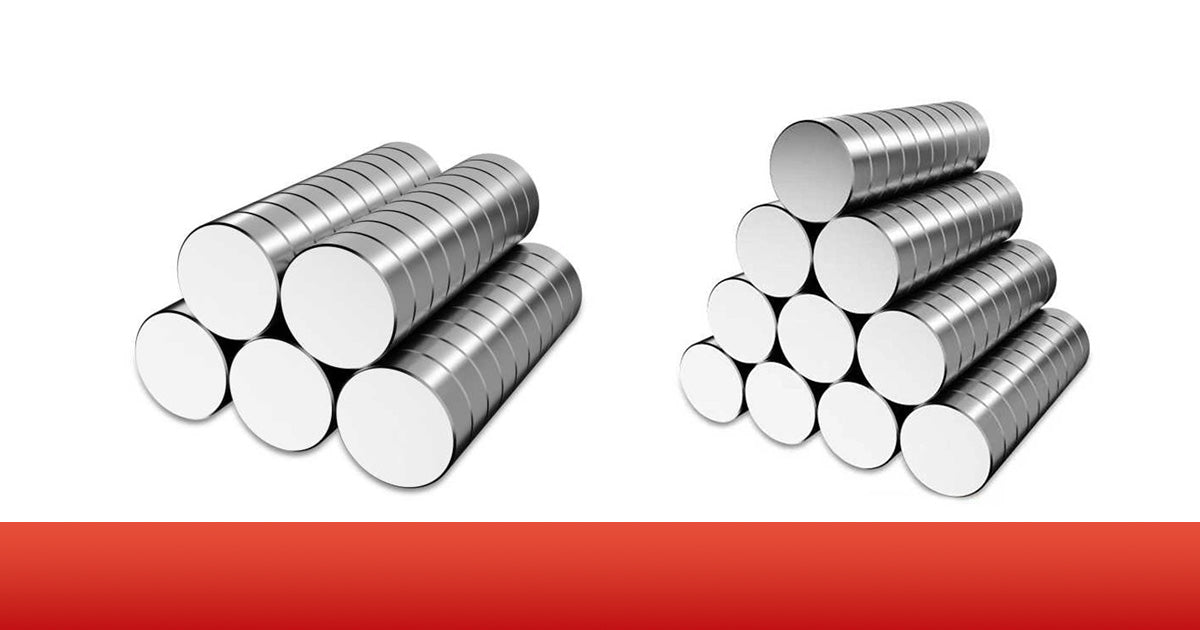
Why Some Slot Car Magnets Kill Speed
Ever wondered why your slot car suddenly feels like it's dragging through treacle after adding that new magnet? You're not imagining things. We see this confusion at Hearns Hobbies all the time - racers come in with their Scalextric cars expecting magnets to be the magic bullet for better lap times, only to find their cars running slower than before.
Here's the thing about slot car magnets - they're kinda like adding weight to your car. Sure, you get better grip, but at what cost? The physics behind magnetic downforce creates a fascinating trade-off that every serious slot car racer needs to understand. Too much magnetic attraction and your motor's working overtime just to maintain speed. Too little and you're sliding off at every corner.
The relationship between magnets and speed isn't straightforward either. Different track materials, motor types, and even the weather here in Australia can affect how magnets impact performance. That super-strong neodymium magnet that works brilliantly on your mate's Carrera track might turn your car into a slug on your home slot car circuit.
In this guide, we'll unpack the science behind why magnets can kill your slot car's speed and, more importantly, how to find that sweet spot where grip meets velocity. Whether you're racing casually with the kids or preparing for club competition, understanding magnetic forces will transform how you approach car setup.
Table of Contents
The Physics Behind Magnetic Downforce
Let's get into the nitty-gritty of what's actually happening when you slap a magnet under your slot car. Basically, you're creating an invisible force that pulls your car towards the track's steel rails. This downforce increases grip - just like adding weight would - but without the actual mass. Sounds perfect, right? Well, not quite.
The magnetic field doesn't just provide downforce; it creates resistance. Think of it like trying to slide a magnet across your fridge door versus sliding a plastic toy. That magnetic attraction creates friction at the molecular level, and your poor motor has to overcome all that extra resistance. The stronger the magnet, the more power gets wasted fighting this invisible drag.
What really gets interesting is how this affects different parts of your lap. On straights, that magnetic drag is pure speed killer - you're literally fighting against an invisible anchor. But hit a corner and suddenly that same force becomes your best friend, allowing you to carry way more speed through the turn than you could without it. This is why experienced slot car racers often run different magnet setups for technical versus high-speed tracks.
Temperature plays a bigger role than most people realise too. On a hot Australian summer day, your track expands slightly, changing the gap between car and rails. This tiny change can dramatically affect magnetic pull. We've seen cars that ran perfectly in the morning suddenly feel sluggish by arvo when the temperature climbs. The magnets haven't changed - but their relationship with the track has.
![[SUGGESTED IMAGE: Diagram showing magnetic field lines between slot car magnet and track rails, illustrating the downforce effect]](https://www.hearnshobbies.com/cdn/shop/products/trx6540.jpg?v=1750046834&width=700)
Types of Slot Car Magnets
Not all magnets are created equal, and understanding the differences can save you heaps of frustration. The slot car world primarily uses three types: ceramic (ferrite), neodymium (rare earth), and polymer magnets. Each has its own personality when it comes to the speed versus grip trade-off.
Ceramic magnets are your old-school workhorses. They're what you'll find in most entry-level slot car sets, and for good reason. These magnets provide moderate downforce without absolutely murdering your top speed. They're also pretty forgiving - the magnetic field spreads out more gradually, giving you a more progressive feel as the car approaches its grip limit. Perfect for beginners who haven't mastered smooth trigger control yet.
Neodymium magnets are the nuclear option. These things pack incredible magnetic force into tiny packages, which sounds great until you realise they can literally stop your car in its tracks if positioned wrong. We've seen racers stick a neo magnet right over the guide flag thinking "more magnet equals more fast" only to wonder why their car won't break 5 volts anymore. The concentrated field of a neodymium magnet creates intense localised drag that can overwhelm smaller motors.
Then you've got polymer magnets - the middle ground nobody talks about. These flexible magnets let you fine-tune your setup by trimming them to size or stacking them for progressive downforce. They're particularly good for vintage slot cars where you want some modern grip without completely changing the car's character. Plus, they don't shatter like ceramics when you inevitably drop your car during a tyre change.
Magnet Strength Comparison
Ceramic: 3,500 Gauss | Neodymium: 14,000 Gauss | Polymer: 2,000 Gauss. Remember, higher isn't always better - it's about matching magnet strength to your motor's capabilities and track conditions.
How Magnets Impact Motor Performance
Here's where things get properly technical. Your slot car motor has a finite amount of power, and every bit of magnetic drag steals from your top speed. It's basic physics - force equals mass times acceleration, and magnetic downforce effectively increases the force needed to accelerate your car.
Modern slot car motors come in various configurations, from basic Mabuchi FK130s to high-performance motors pushing 30,000 RPM. Each motor type responds differently to magnetic loads. Those entry-level motors in Scalextric cars might bog down completely with strong magnets, while a quality aftermarket motor could power through the same magnetic load without breaking a sweat.
The real killer is heat buildup. When your motor works harder to overcome magnetic resistance, it generates more heat. This heat reduces motor efficiency, which means even less power available to fight that magnetic drag. It becomes a vicious cycle - more drag means more heat means less power means the motor works even harder. We've seen motors literally cook themselves when racers go overboard with magnets.
Current draw tells the whole story. Hook up an ammeter and watch what happens when you add magnets. A car that pulls 2 amps on the straight might jump to 3 or even 4 amps with strong magnets. That extra current isn't making you faster - it's all being wasted fighting magnetic resistance. Your power supply feels it too, especially if you're running multiple cars.
Track Materials and Magnetic Response
Not all tracks are created equal when it comes to magnetic response. The material and construction of your track rails massively impacts how magnets behave, and this is where a lot of racers get unstuck. What works on one track system might be completely wrong for another.
Traditional Scalextric and Carrera tracks use steel rails that provide strong magnetic attraction. These tracks were designed with magnets in mind, so the rail thickness and positioning optimise magnetic downforce. But here's the catch - older track sections might have thinner rails or slight corrosion that reduces magnetic effectiveness. We've seen racers chase setup problems for hours only to discover their track's the issue.
Copper tape tracks throw a complete curveball. Copper isn't magnetic, so your carefully tuned magnet setup becomes dead weight. This is actually why some club races mandate copper tracks - it levels the playing field and puts the focus back on driving skill rather than who has the strongest magnets. If you're building a home circuit with copper tape, save yourself the grief and pull those magnets out completely.
Then there's rail spacing to consider. Wider rail spacing reduces magnetic effectiveness because the field has to stretch further. This is particularly noticeable on vintage track systems or homemade routed tracks where rail spacing might vary. A magnet setup that's perfect on modern plastic track might barely provide any downforce on a classic Revell track with its wider rail spacing. Always test your magnet setup on the actual track you'll be racing on.
Track Material Magnetic Response
| Track Type | Rail Material | Magnetic Effect |
|---|---|---|
| Scalextric Sport | Steel | Strong |
| Carrera Digital | Stainless Steel | Moderate-Strong |
| Routed Wood | Copper Tape/Braid | None |
| Vintage Revell | Tin-plated Steel | Moderate |
Finding the Perfect Magnet Balance
Right, so how do you actually find that sweet spot where you've got enough magnetic grip to stay on track but still maintain decent speed? It's part science, part art, and a whole lot of trial and error. The good news is there's a method to the madness.
Start with positioning. Most modern slot cars have multiple magnet mounting points, and where you place your magnets matters as much as which magnets you use. Magnets near the guide flag provide maximum cornering grip but create the most drag. Moving them back towards the rear axle reduces straight-line drag while still helping with corner exit traction. Some racers even angle their magnets slightly to create progressive downforce.
Testing is everything. Set up a simple test track with both tight corners and a decent straight. Time your laps with different magnet configurations - not just flying laps but consistent 10-lap averages. You're looking for teh setup that gives the lowest average lap time, not necessarily the highest top speed or the most cornering grip. Often, a compromise setup beats both extremes.
Here's a trick we teach at the shop: start with no magnets and gradually add downforce until your lap times stop improving. Once you hit that point where more magnet makes you slower, back off one step. This usually gets you pretty close to optimal. From there, fine-tune with magnet positioning or try different magnet types. Sometimes a weaker magnet in the right spot beats a strong magnet in the wrong place.
Don't forget about weight distribution either. Magnets add weight, and where that weight sits affects handling independently of the magnetic effect. A heavy neodymium magnet at the back might hurt cornering even if the magnetic grip helps. Some racers use tungsten weights to balance out magnet placement, getting the weight distribution right while keeping magnets where they're most effective.
![[SUGGESTED IMAGE: Comparison chart showing motor RPM and current draw with different magnet configurations]](https://www.hearnshobbies.com/cdn/shop/files/neodymium-magnets-5x2mm-100-units-n35.jpg?v=1750047516&width=800)
Magnet Rules in Different Racing Classes
If you're planning to race competitively, understanding class rules around magnets is crucial. Different racing classes have wildly different approaches to magnetic downforce, from unlimited magnet classes to completely mag-free racing. Knowing these rules shapes how you should practice and set up your cars.
Box-stock classes typically run whatever magnets come with the car. This might seem limiting, but it actually creates some of the closest racing you'll see. Everyone's dealing with the same magnetic drag, so races come down to driving skill and basic tuning like tyre choice and gear ratios. These classes are perfect for beginners or anyone who wants competitive racing without a huge investment in aftermarket parts.
Modified classes often allow magnet upgrades within certain restrictions. You might be limited to specific magnet dimensions or materials, or there could be a minimum ground clearance rule that effectively limits magnet strength. These rules try to balance performance gains with cost control. The trick in modified classes is maximising performance within the rules - sometimes that means multiple smaller magnets instead of one big one, or exotic materials that pack more punch in the legal size.
Then you've got the purist classes - no magnets allowed. This is proper old-school slot car racing where car control and smooth driving win races. Cars feel completely different without magnetic assistance, sliding through corners and requiring precise throttle control. Many experienced racers actually prefer non-magnet racing because it rewards skill over whoever bought the strongest magnets. If you learned on modern magnet cars, trying a non-magnet class will make you a better driver, guaranteed.
Club Racing Tip
Always check with your local club about magnet rules before buying upgrades. Some Australian clubs have unique rules based on their track types or racing philosophy. What's legal at one club might get you disqualified at another.
Advanced Magnet Tuning Techniques
Once you've got the basics down, there's a whole world of advanced magnet tuning that separates casual racers from the serious competitors. These techniques might seem obsessive, but when races are decided by hundredths of a second, every little bit helps.
Shimming magnets is where things get properly technical. By adding thin spacers between your magnet and chassis, you can fine-tune the magnetic downforce in tiny increments. Even 0.1mm changes in magnet height can noticeably affect lap times. We stock precision shims for exactly this purpose. Start with paper or tape for testing, then move to proper plastic shims once you find the sweet spot.
Magnetic field shaping takes things even further. By using multiple magnets or cutting magnets to specific shapes, you can create custom downforce patterns. Some racers use stronger magnets at the front corners and weaker ones at the rear, creating a car that grips hard in corners but releases on the straights. Others angle their magnets to create a progressive feel - less downforce when the car's running straight, more as it leans in corners.
Temperature compensation is something most racers overlook. Magnets lose strength as they heat up, which means your perfectly tuned car might get loose as a race progresses. Smart racers test their setups after warming the car up, not cold. Some even use slightly stronger magnets than ideal, knowing they'll be perfect once everything's up to temperature. In endurance races, this temperature effect can mean the difference between consistent lap times and falling off the pace.
Don't ignore the interaction between magnets and other tuning elements either. Softer tyres might let you run less magnet for the same lap times. A lower centre of gravity reduces body roll, which keeps your magnets at a more consistent height through corners. Even something as simple as truing your tyres properly can reduce the magnet strength needed for competitive lap times. It's all connected, and the best racers understand these relationships.
Quick Setup Changes
- • More front magnet = better turn-in
- • More rear magnet = better corner exit
- • Raised magnets = less drag, less grip
- • Angled magnets = progressive feel
Testing Order
- 1. Baseline with stock magnets
- 2. Test magnet positions
- 3. Try different magnet types
- 4. Fine-tune with shims
Common Magnet Mistakes to Avoid
After years of helping customers at Hearns Hobbies sort out their slot car setups, we've seen pretty much every magnet mistake possible. Learning from others' errors can save you time, money, and a lot of frustration.
The biggest mistake? Assuming more magnet always equals better performance. We see this constantly - someone struggling with lap times, so they slap the strongest magnet they can find under their car. Now they're even slower and can't figure out why. Remember, magnets are like medicine - the right dose helps, but too much makes things worse. Start conservative and work your way up.
Another classic error is ignoring motor limitations. That vintage Scalextric car with its original motor simply can't handle modern neodymium magnets. The motor overheats, performance drops, and eventually you'll cook it completely. Match your magnet strength to your motor's capabilities. If you're running strong magnets, upgrade to a motor that can handle the load.
Placement precision matters more than most people realise. A magnet that's off-centre by just a millimetre can make your car handle unpredictably. Always check that magnets are mounted square to the chassis and sitting flat. Use a steel ruler to check magnetic pull is even side to side. We've solved countless "my car pulls to one side" problems just by reseating magnets properly.
Finally, don't forget maintenance. Magnets attract metal particles from track wear, tyre dust, and general grime. This buildup reduces magnetic effectiveness and can even scratch your track. Clean your magnets regularly with tape or a soft brush. Check for chips or cracks too - a damaged magnet can shed particles that play havoc with your motor. It's basic stuff, but you'd be amazed how many racers never think to clean their magnets.
Frequently Asked Questions
Can I mix different types of magnets on the same car?
Absolutely, and sometimes it's the best approach. Many tuners run a ceramic magnet up front for progressive cornering feel and a small neodymium at the rear for corner exit grip. The key is testing different combinations on your specific track. Just remember that mixing magnets adds another variable to your setup, so change one thing at a time when testing. Some advanced racers even use three or four different magnets to create exactly the handling characteristics they want.
Do magnets wear out over time?
Good question! Magnets do lose strength, but it happens slowly unless they're abused. Heat is the main enemy - exceed a magnet's maximum temperature (around 80°C for neodymium) and it'll permanently lose strength. Physical damage like chips or cracks also reduces effectiveness. In normal use, expect magnets to maintain 90% of their strength for years. If you notice declining performance, check for damage or debris buildup first before assuming the magnet's worn out.
Why does my car handle differently on friend's tracks?
Track differences have a huge impact on magnet effectiveness. Rail material, spacing, and even how level the track is all affect magnetic downforce. Your perfectly tuned car might be way off on a different track system. Temperature and humidity play a role too - tracks expand and contract, changing the car-to-rail gap. Always bring multiple magnet options when racing away from home, and arrive early enough to test and adjust your setup.
Should beginners use magnets or learn without them?
This sparks heated debates at every slot car club! Our recommendation? Start with mild magnets to keep frustration levels down while learning basic car control. Once you're comfortable, try reducing magnet strength gradually. Eventually, spend some time racing completely magnet-free - it'll teach you smooth throttle control faster than anything else. Most modern sets come with appropriate beginner-friendly magnets anyway, so just run what's included initially.
Final Thoughts
Understanding why some magnets kill speed transforms you from someone who just sticks magnets under their car to someone who actually understands slot car dynamics. It's not about finding the strongest magnet - it's about finding the right balance for your specific combination of car, motor, track, and driving style.
The real secret is that there's no universal answer. What works brilliantly for your mate's Carrera DTM car might be completely wrong for your Scalextric rally car. Track conditions change, motors have different power curves, and even your driving style affects optimal magnet setup. This is actually what makes slot car racing so engaging - there's always something to tinker with and improve.
Start with the basics we've covered here, but don't be afraid to experiment. Keep notes on what works and what doesn't. Pretty soon you'll develop an intuitive feel for magnet tuning, and you'll spot instantly when someone's running too much downforce. Remember, the fastest car isn't always the one with the most grip - it's the one with the best balance of speed and control.