 is here! Shop now, pay later in 4 easy installments


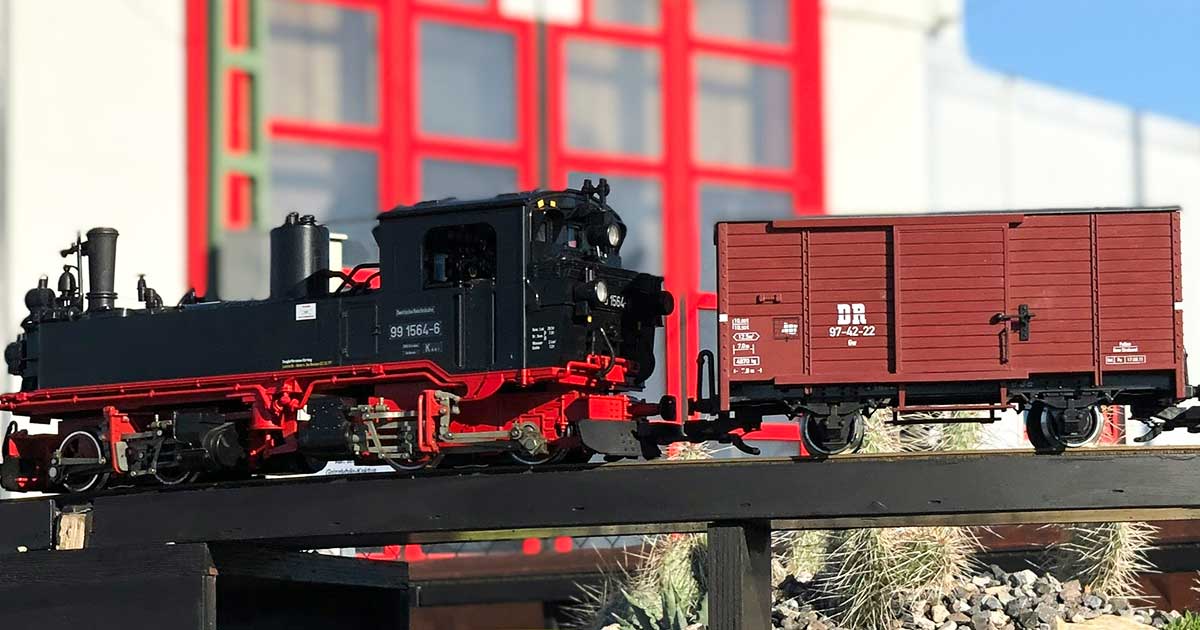
Preventing Model Train Wheel Oxidation in Humid Climates
Every model railway enthusiast in coastal Australia knows the frustration. You've spent the arvo perfecting your layout, only to return days later to find your locomotives stuttering and stalling. Those pristine metal wheels have developed a film of oxidation, breaking electrical contact and turning smooth operations into a jerky mess.
Living in humid climates presents unique challenges for model railway hobbyists. Whether you're dealing with Brisbane's subtropical humidity, Sydney's coastal moisture, or even Melbourne's unpredictable weather patterns, oxidation becomes an ongoing battle. The combination of metal wheels, metal track, and moisture in the air creates perfect conditions for that dreaded orange-brown film to form.
Here at Hearns Hobbies, we've helped countless modellers tackle this issue over our 30-plus years serving Australian enthusiasts. The good news? With the right approach and some simple maintenance habits, you can keep your diesel locomotives and steam engines running smoothly, regardless of humidity levels.
This guide dives deep into practical solutions that actually work in Australian conditions. We'll explore everything from daily prevention techniques to long-term storage strategies, drawing on real experiences from modellers across the country who've conquered the oxidation challenge.
Table of Contents
Understanding Wheel Oxidation
Before we tackle prevention, let's understand what we're actually fighting. Oxidation occurs when metal reacts with oxygen in the presence of moisture. For model trains, this creates a non-conductive layer on wheel surfaces, disrupting the electrical circuit needed for smooth operation. It's basically the same process that causes rust, though on nickel-silver wheels it typically appears as a dark tarnish rather than orange rust.
The rate of oxidation depends on several factors working together. Humidity levels above 60% accelerate the process dramatically. Temperature fluctuations make things worse by causing condensation on cold metal surfaces. Even the type of metal matters – brass wheels oxidize faster than nickel-silver, while stainless steel resists oxidation but costs significantly more.
What makes model trains particularly vulnerable is their reliance on wheel-to-track contact for electrical pickup. Unlike slot cars with dedicated power pickups, trains depend on clean metal-to-metal contact. Even a microscopic layer of oxidation can cause problems, especially with DCC systems that require consistent electrical connection for decoder communication.
Different scales face varying challenges too. N scale trains with their tiny contact patches suffer more from minor oxidation than larger HO scale models. The smaller the wheel, the less pressure on the rail, making good electrical contact even more critical.
![[SUGGESTED IMAGE: Close-up comparison of clean vs oxidized model train wheels]](https://plus.unsplash.com/premium_photo-1676050286563-d268126ed733?q=80&w=1169&auto=format&fit=crop&ixlib=rb-4.1.0&ixid=M3wxMjA3fDB8MHxwaG90by1wYWdlfHx8fGVufDB8fHx8fA%3D%3D)
Australian Climate Challenges
Australia's diverse climate zones create unique oxidation challenges for model railway enthusiasts. Coastal areas cop the worst of it – salt air combines with humidity to accelerate corrosion at alarming rates. A layout in Cairns faces different challenges than one in Adelaide, but humidity remains the common enemy across most populated areas.
Brisbane modellers deal with subtropical humidity that rarely drops below 50%, even in winter. During summer, humidity regularly exceeds 70%, creating ideal conditions for rapid oxidation. Add in those famous afternoon storms that spike humidity levels, and you've got a recipe for constant wheel maintenance. Many Queensland hobbyists report cleaning wheels weekly during summer months.
Sydney's coastal location brings its own problems. The combination of sea spray and morning fog creates particularly aggressive oxidation conditions. Modellers in suburbs like Manly or Bondi often find their rolling stock developing oxidation within days of cleaning. The salt content in coastal air acts as a catalyst, speeding up the chemical reaction.
Even Melbourne, with its famously variable weather, poses challenges. Rapid temperature changes cause condensation on cold metal surfaces. A layout in an unheated garage might experience daily temperature swings of 15-20 degrees, causing moisture to form on wheels and track repeatedly. This cycle of condensation and evaporation accelerates oxidation more than steady humidity would.
Inland areas aren't immune either. While generally drier, places like Canberra experience frost and dew that create morning moisture on layouts. The ACT's cold winters mean many layouts are stored in sheds or garages where temperature-driven condensation becomes a real issue. Plus, those running Australian prototype models often want to run them year-round, increasing exposure to varying conditions.
Regional Humidity Averages
Brisbane: 60-75% year-round | Sydney: 55-70% (higher near coast) | Melbourne: 50-65% (variable) | Perth: 40-60% (seasonal) | Darwin: 60-80% (extreme in wet season) | Adelaide: 45-55% (lower than east coast) | Hobart: 55-65% (consistent maritime influence)
Prevention Strategies
Prevention beats cleaning every time. Implementing smart strategies to reduce oxidation saves hours of maintenance and keeps your trains running reliably. The key is controlling your layout environment and creating barriers between metal surfaces and moisture.
Climate control proves the most effective long-term solution. Running a dehumidifier in your train room maintains humidity below 50%, dramatically slowing oxidation. Modern units with built-in humidistats automatically maintain optimal levels. For smaller spaces, even those compact wardrobe dehumidifiers help. The electricity cost pales compared to the time saved on maintenance and the extended life of your electric locomotives.
Air circulation helps prevent moisture pockets from forming around your layout. A simple ceiling fan or oscillating desk fan keeps air moving, reducing condensation on metal surfaces. This works particularly well in combination with dehumidification. Some modellers install computer case fans under their layouts to create gentle airflow around track and wiring.
Protective coatings offer another layer of defense. Products like CRC 2-26 or Inox leave an invisible film on wheels that repels moisture without affecting electrical conductivity. Apply these sparingly – excess product attracts dust and grime. A light application every few months works wonders. Just remember to test compatibility with plastic components first, as some products can damage certain plastics.
Regular running actually helps prevent oxidation. Wheels in motion self-clean through friction with the rails. Locomotives and passenger cars that sit idle for weeks develop oxidation faster than those run regularly. Even five minutes of operation weekly makes a noticeable difference. Consider setting up a simple test loop where you can quickly run each piece of rolling stock.
![[SUGGESTED IMAGE: Dehumidifier setup in a model railway room with humidity gauge visible]](https://images.unsplash.com/photo-1646198071738-a0f1be6b5a81?q=80&w=1074&auto=format&fit=crop&ixlib=rb-4.1.0&ixid=M3wxMjA3fDB8MHxwaG90by1wYWdlfHx8fGVufDB8fHx8fA%3D%3D)
Cleaning Techniques
Despite our best prevention efforts, some oxidation is inevitable in humid climates. Knowing how to clean effectively without damaging delicate mechanisms separates experienced modellers from frustrated beginners. The right technique depends on the severity of oxidation and the type of wheels you're cleaning.
For light tarnish, a simple brass wire brush works brilliantly. These brushes, available from our tools section, remove oxidation without scratching wheel surfaces. Hold the locomotive upside down in a cradle, apply power to spin the wheels slowly, then gently brush each wheel tread. This method works great for routine maintenance. The key is light pressure – let the spinning do the work.
Heavier oxidation requires chemical assistance. Isopropyl alcohol (90% or higher) dissolves many oxidation compounds. Apply with a cotton bud while wheels rotate slowly. For stubborn cases, products like Metal Polish or even household vinegar work, though these require thorough rinsing afterward. Never use abrasive compounds like sandpaper or steel wool – they'll damage the wheel surface and make future oxidation worse.
Track cleaning cars offer a convenient solution for maintaining wheel cleanliness during operation. These special pieces of rolling stock feature cleaning pads that polish rails as they run. Some modellers modify freight cars with small cleaning pads, creating their own maintenance trains. Running these regularly prevents oxidation buildup on both wheels and track.
The "bright boy" track rubber remains controversial but effective. While primarily designed for track cleaning, carefully using these mild abrasives on wheels can remove stubborn oxidation. The trick is minimal pressure and following up with alcohol to remove any residue. Some swear by this method, others worry about long-term wheel wear. Use sparingly and observe results on less valuable stock first.
Cleaning Method Comparison
| Method | Best For | Frequency |
|---|---|---|
| Brass brush | Light tarnish | Weekly |
| Isopropyl alcohol | Moderate oxidation | Fortnightly |
| Metal polish | Heavy oxidation | Monthly |
| Track cleaning car | Prevention | Every run session |
Storage Solutions
How you store your trains between running sessions significantly impacts oxidation rates. Proper storage can mean the difference between grabbing a loco and running it immediately versus spending twenty minutes cleaning wheels first. Australian conditions demand more careful storage than our northern hemisphere counterparts might need.
Display cases with silica gel packets provide excellent protection for prized locomotives. These display cases look great while protecting your investment. The silica gel absorbs moisture, maintaining low humidity inside the case. Replace or recharge the packets monthly – when they turn pink, pop them in the microwave for 30 seconds to restore their moisture-absorbing properties.
For larger collections, consider converting a wardrobe or cupboard into climate-controlled storage. Line shelves with foam to protect models, install LED strips for visibility, and add a small dehumidifier or moisture absorbers. Some modellers go further, adding weather stripping to doors and monitoring humidity with digital gauges. This creates a microclimate perfect for long-term storage.
Vacuum storage bags might seem extreme, but they work brilliantly for seasonal storage. Removing air eliminates oxygen needed for oxidation. Perfect for that Thomas & Friends collection the kids only use during holidays. Just ensure wheels are clean and dry before sealing, and include padding to prevent damage from compression.
Original packaging often provides adequate protection if stored properly. Those foam inserts aren't just for shipping – they cradle models perfectly for storage. Add a small silica gel packet to each box and store them in a cool, dry location. Label boxes clearly so you're not constantly opening them to check contents, which lets moisture in.
Quick Storage Tip
Create "ready to run" storage for frequently used locomotives. Clean wheels thoroughly, apply protective coating, then store in easy-access cases near your layout. This encourages regular running, which itself prevents oxidation buildup.
Track Maintenance
Clean wheels mean nothing if your track is oxidized. Track and wheels work as a system – neglecting one renders the other useless. Australian conditions mean track maintenance becomes just as crucial as wheel care, especially for layouts in sheds or garages exposed to temperature variations.
Regular track cleaning prevents oxidation from transferring between track and wheels. A track cleaning car run at the start of each session maintains conductivity. For thorough cleaning, nothing beats the traditional method of a lint-free cloth dampened with isopropyl alcohol. Work systematically around your layout, replacing the cloth as it darkens with removed oxidation.
Different track materials oxidize at different rates. Nickel-silver track resists oxidation better than brass but costs more initially. Code 100 track with its larger rail profile handles oxidation better than finer Code 75 or Code 55 rails. The extra metal mass provides more surface area for electrical contact, compensating for minor oxidation.
Hidden trackwork needs special attention. Tunnels and covered sections trap moisture, accelerating oxidation in areas you can't easily see or reach. Install access hatches or removable scenery sections above hidden track. Some modellers run fine wires from hidden track sections to LED indicators, alerting them when electrical conductivity drops.
Joint maintenance often gets overlooked but proves critical for electrical continuity. Rail joiners oxidize faster than solid rail, creating dead spots. Soldering joiners eliminates this problem, though it reduces flexibility for layout changes. As a compromise, solder feeders every few metres and use conductive paste on mechanical joints. Regular checking with a multimeter identifies problem joints before they affect operations.
![[SUGGESTED IMAGE: Track cleaning tools and products arranged on a workbench]](https://images.unsplash.com/photo-1453053507108-9f5456eb481f?q=80&w=1170&auto=format&fit=crop&ixlib=rb-4.1.0&ixid=M3wxMjA3fDB8MHxwaG90by1wYWdlfHx8fGVufDB8fHx8fA%3D%3D)
Product Recommendations
Choosing the right products makes maintenance easier and more effective. We've tested numerous solutions over the years, and some consistently outperform others in Australian conditions. While personal preference plays a role, certain products have earned their reputation through proven results.
For wheel cleaning, the DCC Concepts wheel cleaning kit stands out. It includes a motorized wheel cleaner that makes the job quick and thorough. The adjustable speed control handles everything from delicate N scale to robust OO scale locomotives. The included cleaning fluids are formulated specifically for model railway use, avoiding harsh chemicals that might damage plastics or paintwork.
Track cleaning benefits from specialized tools beyond basic cloths. The Woodland Scenics track cleaning system uses a mild abrasive pad that conforms to rail profiles. It removes oxidation without scratching, and the ergonomic handle reduces hand fatigue during extended cleaning sessions. Pair this with their cleaning fluid for optimal results.
Electronic solutions deserve consideration for serious layouts. Rail-Zip and similar conductivity enhancers create a microscopic protective layer on rails and wheels. While not preventing oxidation entirely, they maintain electrical contact despite minor tarnish. Apply sparingly – excess product attracts dirt. These work particularly well on DCC layouts where consistent electrical contact is crucial.
Storage products make a huge difference in oxidation prevention. Hearns Hobbies storage solutions include everything from individual locomotive boxes to full display cases. The key is choosing options that seal well enough to maintain low humidity while allowing some air circulation to prevent condensation. Look for cases with rubber seals and provision for dessicant packets.
Essential Products
- • Isopropyl alcohol (90%+)
- • Brass wire brushes
- • Microfibre cloths
- • Track cleaning rubber
- • Silica gel packets
Advanced Solutions
- • Ultrasonic cleaner
- • Conductivity enhancer
- • Digital hygrometer
- • Dehumidifier unit
- • Protective coatings
Long-Term Strategies
Successful oxidation management requires thinking beyond individual cleaning sessions. Developing sustainable long-term strategies saves time, money, and frustration while keeping your railway operational year-round. The most successful modellers integrate oxidation prevention into their regular railway maintenance routines.
Layout room climate control represents the best long-term investment. Installing a reverse-cycle air conditioner maintains stable temperature and humidity year-round. Yes, it's an expense, but consider it protection for your entire collection. Models worth thousands deserve a proper environment. Plus, you'll enjoy working on your layout more in climate-controlled comfort. Many modellers find their electricity bills actually decrease because targeted room cooling beats whole-house systems.
Creating maintenance schedules prevents oxidation from getting out of hand. Mark a calendar with weekly, monthly, and quarterly tasks. Weekly: run all locomotives for five minutes. Monthly: clean heavily-used track sections and check stored models. Quarterly: deep clean all track and wheels, replace dessicants, test electrical continuity. This systematic approach catches problems early, when they're easy to fix.
Consider upgrading to more oxidation-resistant materials over time. When track needs replacement, choose nickel-silver over brass. When buying new rolling stock, prioritize models with metal wheels that resist oxidation. Some manufacturers now offer stainless steel wheelsets as upgrades. While pricier initially, they virtually eliminate oxidation concerns.
Building redundancy into your electrical system compensates for minor oxidation issues. Install multiple power feeds to track sections, so oxidation at one joint doesn't create dead spots. Add keep-alive capacitors to DCC decoders, allowing locomotives to bridge brief power interruptions. These modifications don't prevent oxidation but minimize its operational impact.
Documentation helps identify patterns and problem areas. Keep a simple log noting when and where oxidation appears worst. You might discover certain track sections or specific locomotives need extra attention. This information guides future purchases and maintenance focus. Some use smartphone apps to track maintenance, others prefer good old notebooks. Either way, patterns emerge that inform better strategies.
Time-Saving Strategy
Create a "maintenance train" with track cleaning car, wheel cleaning car, and a wagon carrying cleaning supplies. Running this consist weekly maintains both track and wheels simultaneously. Add a guards van with an onboard camera to spot problem areas as you go!
Frequently Asked Questions
How often should I clean wheels in Brisbane's humidity?
During summer months when humidity regularly exceeds 70%, plan on cleaning wheels weekly if trains are stored in non-climate-controlled spaces. For air-conditioned rooms, fortnightly cleaning usually suffices. Running trains briefly every few days reduces cleaning frequency significantly. Many Brisbane modellers find that a five-minute run every second day keeps wheels clean enough for reliable operation. Consider investing in track cleaning cars to maintain wheels between thorough cleanings.
Can I use WD-40 or similar products on model train wheels?
Never use WD-40 on model train wheels or track! While it might temporarily improve conductivity, it attracts dirt and dust like a magnet, creating worse problems long-term. The oil residue also damages plastic components and can dissolve certain adhesives. Stick to products specifically designed for model railways, like those from our maintenance range. If you've already used WD-40, clean thoroughly with isopropyl alcohol multiple times to remove all residue.
Should I worry about oxidation on plastic wheels?
Plastic wheels don't oxidize, but they create different problems in humid conditions. They attract dirt through static electricity, especially in dry air-conditioned environments. This dirt transfers to metal wheels on locomotives, indirectly causing conductivity issues. Most serious modellers replace plastic wheels with metal ones on frequently-run freight wagons and passenger cars. The investment pays off through reduced maintenance and better electrical pickup for coach lighting.
What humidity level should I maintain in my train room?
Aim for 40-50% relative humidity for optimal protection against oxidation while avoiding static electricity problems. Below 40%, static becomes an issue, potentially damaging DCC equipment. Above 60%, oxidation accelerates noticeably. Use a digital hygrometer to monitor levels – they're cheap and accurate. During humid months, a dehumidifier easily maintains this range. In winter, you might need a humidifier to prevent dropping below 40%. The stability matters as much as the actual level.
Is it worth converting to DCC if oxidation is a constant problem?
Actually, DCC can help with minor oxidation issues through keep-alive capacitors and better power distribution. Modern DCC decoders with stay-alive features bridge momentary power losses caused by dirty wheels or track. However, DCC isn't a solution for oxidation – it still requires clean track and wheels for proper operation. The real advantage is that DCC's constant track voltage makes oxidation problems immediately obvious, encouraging better maintenance habits.
Final Thoughts
Living with humidity doesn't mean accepting poor performance from your model railway. We've seen countless Australian modellers transform their operations from frustrating to flawless through proper oxidation management. The techniques we've covered aren't complicated – they just require consistency and the right approach for your specific situation.
Start simple. Pick one or two strategies that fit your current setup and budget. Maybe it's just adding silica gel to storage boxes, or running trains more regularly. As these become habits, add more advanced techniques. Before long, oxidation management becomes second nature, just another part of enjoying this fantastic hobby.
Remember, every layout faces different challenges based on location, storage conditions, and usage patterns. What works for a climate-controlled room in Melbourne might not suit a Queensland shed layout. Experiment with different approaches, keep track of what works, and don't hesitate to ask fellow modellers at your local club for advice. The model railway community is incredibly helpful, and chances are someone nearby has solved similar problems.