 is here! Shop now, pay later in 4 easy installments


The Hidden Costs of Scale Modelling Nobody Talks About
Here's something we rarely discuss at the hobby shop counter - that innocent-looking $40 model kit sitting on the shelf? It's just the tip of the iceberg. After three decades of watching customers discover scale modelling, we've seen the same financial surprise play out countless times. New modellers budget for the kit, maybe some basic paints, then find themselves wondering how they've spent $300 before finishing their first project.
The truth is, scale modelling has a way of quietly expanding your investment. Not through any deliberate deception - manufacturers and retailers aren't hiding anything. It's more that the hobby naturally evolves as your skills and ambitions grow. What starts as "I'll just build this one Spitfire kit" somehow becomes a dedicated workspace filled with airbrush equipment, reference books, and enough weathering products to age an entire squadron.
We've watched customers progress from brush painting to airbrushing, from snap-fit to photoetch details, from single models to elaborate dioramas. Each step makes perfect sense at the time, but the cumulative cost can catch you off guard. Especially here in Australia, where shipping adds another layer to every purchase, and that perfect Tamiya kit you saw online comes with a delivery fee that rivals the kit price.
So let's have an honest conversation about what scale modelling really costs. Not to discourage anyone - this remains one of the most rewarding hobbies you can pursue. But going in with realistic expectations helps you budget properly and avoid that stomach-dropping moment when you tally up your receipts. Whether you're considering your first kit or wondering why your hobby spending keeps creeping up, understanding these hidden costs helps you make informed decisions about where to invest your modelling dollars.
Table of Contents
The Initial Setup Trap
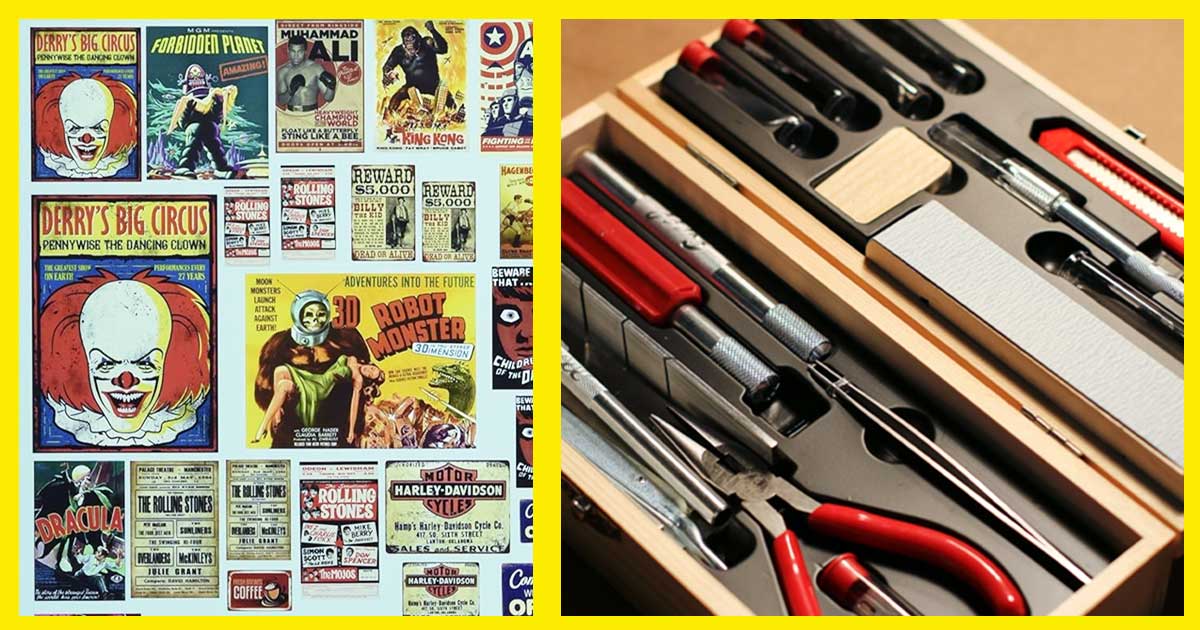
The biggest financial shock hits right at the beginning. You've picked out a nice starter kit for maybe $35, feeling pretty good about this affordable new hobby. Then reality kicks in. That kit needs cement to assemble - add $8. You'll need sprue cutters to remove parts cleanly - another $25 for decent ones. Files for smoothing? $15. Before touching a single paint, you're already approaching $85.
And speaking of paint, here's where things get interesting. Your kit instructions suggest eight different colours. Even using budget acrylic paints at $6 each, that's $48. But wait - you need primer first, add $12. Brushes? A basic set runs $20. Thinner for cleaning? $8. Suddenly your $35 kit has triggered $150+ in supporting purchases, and that's just for the absolute basics.
The trap deepens because these initial costs feel mandatory. You can't really build a model without tools, and painting with house brushes won't give satisfying results. So new modellers often feel ambushed - they budgeted for the kit but find themselves spending four times that amount just to get started. We see this shock on customers' faces all the time. They came in for one thing and leave with a basket full of "essentials" they hadn't considered.
What makes this particularly frustrating is that nobody's trying to upsell you. These genuinely are necessary items for a decent build experience. Sure, you could theoretically assemble a kit with nail clippers and paint it with a single brush, but the results would be so disappointing you'd probably quit the hobby. The initial setup cost is real, unavoidable, and rarely discussed honestly in those "getting started in scale modelling" articles that conveniently forget to mention you need more than just the kit.
Realistic First Kit Budget Breakdown
| Item | Budget Option | Quality Option |
|---|---|---|
| Model Kit | $25-35 | $50-80 |
| Basic Tools | $30-40 | $80-120 |
| Paints & Primer | $40-60 | $80-100 |
| Brushes | $15-20 | $30-50 |
| Adhesives | $8-12 | $15-25 |
| Total First Project | $118-167 | $255-375 |
Consumables That Constantly Need Replacing
Once you've survived the initial setup shock, the consumables start their quiet drain on your wallet. Sanding sticks wear out faster than you'd expect - what looks like it'll last months disappears in three builds. Those knife blades that seemed sharp forever? After two months of cutting decals and trimming parts, they're struggling. A 10-pack of replacement blades costs $8, and serious modellers go through them monthly.
Plastic cement evaporates even when you're careful about keeping lids tight. That 40ml bottle that seemed generous? Gone in four or five models if you're lucky. Super glue has an annoying habit of either drying up in the bottle or gluing its own cap shut, forcing premature replacement. And don't get me started on putty - somehow it's always running out just when you need to fill a crucial seam.
Paints present their own ongoing cost. Sure, that bottle of Tamiya Flat Black might last dozen models, but speciality colours get used once and sit there. Meanwhile, you're constantly buying new shades because this kit needs "Desert Yellow" not the "Sand Yellow" you already own. Before long, you've got 60 bottles of paint with half being barely touched, yet you still need to buy more for each new project.
The really sneaky consumables are things like masking tape. Seems cheap at $6 a roll, but proper Tamiya tape gets used up surprisingly fast when you're masking complex camouflage patterns. Mixing cups, pipettes, cotton buds, paper towels - individually negligible, collectively they add $20-30 monthly to your hobby spending without you really noticing.
![[SUGGESTED IMAGE: Collection of consumable modelling supplies like glue, tape, sandpaper, and blades arranged on a workbench]](https://www.hearnshobbies.com/cdn/shop/products/44291ThreeQuarterViewv1800x800_800x800_18d5a39f-fb1c-4201-aad4-f0a0b68e7114.png?v=1748466859&width=700)
The Upgrade Creep Phenomenon
This is where scale modelling gets genuinely expensive. You start with basic tools, achieve decent results, then see what's possible with better equipment. That airbrush everyone raves about? Suddenly your brush-painted models look amateur in comparison. But an airbrush needs a compressor ($200+), spray booth ($150+), cleaning supplies, and different thinners. Your "quick upgrade" just hit $500.
Tool upgrades follow a predictable pattern. Those budget side cutters that worked fine suddenly feel clunky after trying quality Godhand nippers at a club meeting. The basic tweezers that came in your tool kit get replaced with precision-point, anti-magnetic ones at $25 each. Your simple needle files expand into a full set of different grades and shapes.
Workspace evolution drives significant costs too. That kitchen table setup becomes a dedicated desk. The desk needs proper lighting - add $80 for a decent LED lamp with magnifier. Storage solutions for your growing paint collection and spare parts. A cutting mat. Parts organizers. Before you know it, you've invested more in workspace setup than you spent on kits last year.
The worst part? Each upgrade genuinely improves your modelling experience. That expensive airbrush really does produce better finishes. Those precision tools really do make building more enjoyable. So you can't even dismiss it as wasteful spending - these improvements directly enhance your results and satisfaction. It's a quality creep that feels entirely justified even as your credit card groans.
The Upgrade Timeline
Month 1-3: Basic tools, brush painting
Month 4-6: Better tools, more paints, first weathering products
Month 7-12: Airbrush setup, dedicated workspace
Year 2: Specialty tools, photoetch, aftermarket details
Year 3+: Premium everything, multiple airbrushes, resin casting
Space and Storage Solutions
Nobody mentions this cost when you're starting out, but storage becomes a genuine expense. That modest paint collection outgrows the shoebox, demanding proper paint racks ($40-60). Your kit stash (because every modeller develops one) needs shelving. Completed models require display cases to protect them from dust and curious fingers - quality cases run $80-200 each.
Parts storage spirals quickly. You start saving spare parts from every build - might need that extra propeller someday, right? Soon you need organiser boxes, drawer units, and labeling systems. Those clear storage containers at $15 each don't seem expensive until you're buying your tenth one. And somehow you still can't find that specific decal sheet you know you saved.
Then there's the workspace expansion issue. That corner of the spare room becomes half the room. Maybe you need a larger desk - $200+. Better shelving for references and kits - another $150. A portable spray booth because the garage is too cold in winter. Each expansion seems logical, even necessary, but the cumulative cost of properly housing your hobby adds up to serious money.
We've seen customers eventually dedicate entire rooms or garage spaces to modelling. What started as a TV tray setup evolves into workshop spaces that would make professionals jealous. And once you have that dream workspace? You need to fill it, naturally. More tools, more storage, more everything. The space itself becomes justification for further investment - can't waste this great setup, after all.
Reference Materials and Research
Here's a cost category that blindsides modellers who care about accuracy. You're building a Tiger tank and want to get the markings right. One reference book leads to another. Squadron Signal publications at $35 each. Osprey books at $30. Before long, you've got a library worth more than your kit collection, and you're still ordering more because this new kit is a variant you haven't researched yet.
Digital subscriptions add their own drain. Scale modelling magazines run $8-12 per issue, or $70+ for annual subscriptions. Online reference sites charge monthly fees. You justify it as research, education, inspiration - and it genuinely is. But those recurring charges add up. Three magazine subscriptions and two online references could easily hit $300 annually.
Photo references become an unexpected expense too. Sure, Google Images exists, but serious modellers often purchase high-resolution walk-around photo sets of specific vehicles. Museums charge for detailed technical drawings. Historical photograph collections cost money to access. That aircraft kit might need $50 worth of references to build accurately if you're aiming for competition-level detail.
Don't forget aftermarket decal sheets and conversion sets discovered through research. You start researching one variant, discover an interesting unit marking, then find yourself ordering specialty decals from overseas. What began as casual research becomes a $40 investment in making your model represent one specific vehicle from one specific unit on one specific date. The pursuit of accuracy has no ceiling on potential spending.
![[SUGGESTED IMAGE: Bookshelf filled with scale modelling reference books, magazines, and documentation]](https://www.hearnshobbies.com/cdn/shop/products/waterslide-decals-vintage-posters.jpg?v=1734701139&width=800)
Specialty Tools You Didn't Know You Needed
Every new technique you learn seems to require its own specialized tool. Want to drill out gun barrels? You need a pin vise and tiny drill bits ($25-40). Scribing panel lines? Proper scribing tools run $30-50. Working with photoetch? You'll need special bending tools, cutting mats, and different adhesives.
The specialization goes deeper than you'd imagine. There are tools specifically for applying decals, tools for creating rivets, tools for measuring precise angles. Airbrush cleaning stations, ultrasonic cleaners for parts, specialized holding clamps for painting. Each seems optional until you try to complete a specific task without them, then they become "essential."
Consider weathering alone. What starts with basic washes expands into pigment sets, oil paints, enamel products, chipping mediums, and rust activators. Each product needs its own thinner or solvent. Specific brushes for specific effects. Sponges for chipping, cotton buds for blending, toothpicks for detail work. A subcategory of the hobby develops its own complete toolkit.
Electronics add another layer for certain subjects. Building that ship model with working lights? You need LEDs, wire, batteries, soldering equipment, and the knowledge to use them. Military modellers adding motors to tanks face similar costs. Suddenly you're buying from electronics suppliers as well as hobby shops, doubling your potential spending sources.
Often Forgotten Tools
- Pin vise set: $35-50
- Scribing tools: $30-45
- Sanding sticks set: $25-35
- Measuring calipers: $40-60
- Punch and die set: $50-80
Advanced Additions
- Ultrasonic cleaner: $80-150
- Heat bending tool: $60-90
- Static grass applicator: $70-120
- Vacuum forming kit: $150-250
- Resin casting setup: $200+
Australian Shipping and Import Realities
Living in Australia adds its own special financial burden to scale modelling. That amazing kit you found online from Japan? Shipping might cost more than the kit itself. European aftermarket parts? Prepare for $30-50 shipping on a $20 item. Even domestic shipping within Australia hits hard - $15-20 is standard, making those "quick" online purchases for single items painfully expensive.
Import duties and GST create surprise costs on international orders. That $150 order from overseas suddenly becomes $185 after customs gets involved. Some retailers don't clearly show these charges upfront, leading to nasty surprises. We've heard countless stories of customers paying more in fees and shipping than they paid for the actual products.
The temptation to bundle orders to save shipping creates its own problem. You need one specific paint colour, but paying $20 shipping for one bottle feels wasteful. So you add more items to justify the shipping cost. That single paint purchase becomes a $100 order because "might as well make the shipping worthwhile." It's economically logical but budget-destroying.
Local availability issues force international shopping too. Many specialized items simply aren't stocked in Australia. Those specific photoetch sets, rare decal sheets, or particular tool brands mean international ordering is your only option. Even when items are available locally, stock levels mean waiting months for restocks or paying premium prices for immediate availability. The "Australia tax" on hobby supplies is real and substantial.
Smart Budget Strategies That Actually Work
After watching thousands of customers navigate these financial waters, we've seen what actually works for managing modelling costs. First principle: embrace the long game. Instead of buying everything at once, spread purchases over months. Start with genuinely essential tools, add specialized items as specific projects require them. That airbrush can wait until you've mastered brush painting.
Buy quality basics, economize on specifics. Invest in good sprue cutters and brushes - you'll use them constantly. But that specialized tool for one specific technique? The budget option might suffice. We see too many beginners buying premium everything, then abandoning the hobby before really using those expensive tools.
Group purchases with other modellers to split shipping costs. Local clubs often organize bulk orders from overseas suppliers. Join online communities where members coordinate purchases. That $50 shipping charge becomes $10 when split five ways. Plus, you might discover local modellers selling exactly what you need from their own stash.
Track your spending honestly. Keep a modelling expense spreadsheet - the total might shock you, but awareness prevents budget blowouts. Set monthly limits and stick to them. We recommend the "one in, one out" rule for kits: finish one before buying another. Your stash of unbuilt kits is money tied up doing nothing. Focus on building what you have before acquiring more.
The 50/25/25 Budget Rule
Divide your hobby budget: 50% for kits, 25% for consumables (paint, glue, etc.), 25% for tools and upgrades. This balance ensures you're actually building models, not just collecting supplies. Adjust percentages as you establish your workshop, but maintain some version of this split to avoid overspending in any category.
Consider alternative approaches that reduce costs. Snap-fit kits eliminate glue expenses. Military vehicles can share paint colours across multiple builds. Smaller scales cost less and need less paint. Building "out of box" without aftermarket additions keeps costs predictable. There's no shame in budget modelling - some of the best builders we know work within strict financial limits.
Buy during sales strategically. We run regular promotions, and smart customers stock up on consumables during these periods. Black Friday, end of financial year, after Christmas - these sales can save 20-30% on supplies you'll use anyway. But avoid buying things just because teh're on sale. That discounted airbrush isn't a bargain if you're not ready for airbrushing.
Frequently Asked Questions
What's a realistic monthly budget for active scale modelling?
Most active modellers in Australia spend $100-200 monthly on their hobby, though this varies wildly based on project complexity and personal restraint. This typically covers one or two kits, replacement paints and consumables, and occasional tool upgrades. Beginners might spend more initially due to setup costs, while experienced builders often spend less frequently but make larger purchases when they do buy. Competition builders and those pursuing highly detailed projects easily exceed $300 monthly, especially when factoring in aftermarket parts and references.
Can I start scale modelling on a tight budget?
Absolutely, though you'll need realistic expectations. Start with a simple starter set that includes basic paints and glue (around $40-50). Add essential tools gradually - decent side cutters, a few files, and basic brushes can get you started for under $100 total. Focus on simpler kits initially, master fundamental techniques before upgrading equipment. Many successful modellers built their skills using budget tools, proving expensive gear isn't mandatory for enjoyable results.
What hidden costs surprise modellers the most?
Shipping consistently shocks Australian modellers, especially when ordering specialty items internationally. Display and storage solutions catch people off-guard - protecting finished models properly gets expensive quickly. The rapid consumption of consumables like sanding materials, blades, and masking tape surprises newcomers who don't realize how quickly these items disappear. Reference materials become an unexpected money pit for accuracy-focused builders. Finally, workspace setup costs - proper lighting, storage, and ventilation - often exceed what people spend on actual modelling supplies.
Is it cheaper to build fewer complex models or many simple ones?
Generally, building many simple models costs less per build but more overall. Simple snap-fit kits might cost $25 each with minimal paint requirements, making individual projects cheap. However, you'll build more frequently, buying more kits annually. Complex builds with full detailing, weathering, and aftermarket additions might cost $150-200 per project but take months to complete. The complex approach often proves cheaper annually since you're buying fewer kits, though individual project costs are higher. Your personality matters here - some need constant new projects, others prefer deep dives into single builds.
Final Thoughts
Scale modelling's hidden costs aren't meant to discourage anyone from this incredible hobby. Rather, understanding these expenses helps you enter with realistic expectations and budget accordingly. Every experienced modeller has stories about underestimating costs early on, and we all laugh about our "budget hobby" that somehow requires dedicated workspace and thousands in tools.
The truth is, these costs develop gradually as your skills and ambitions grow. Nobody needs everything at once. Start simple, build your capabilities and tool collection over time, and let your investment match your engagement level. Some modellers happily work with basic tools forever, while others chase every innovation. Both approaches are perfectly valid.
What makes these expenses worthwhile is the satisfaction scale modelling provides. The focus required, the skills developed, the community connections, and pride in completed projects justify the investment for millions of modellers worldwide. At Hearns Hobbies, we've watched customers develop from nervous beginners to accomplished builders, and not one has regretted their journey despite the costs involved. Understanding the real expenses simply helps you navigate that journey more successfully.